What a qualified custom microfiber cleaning cloth manufacturer should confirm
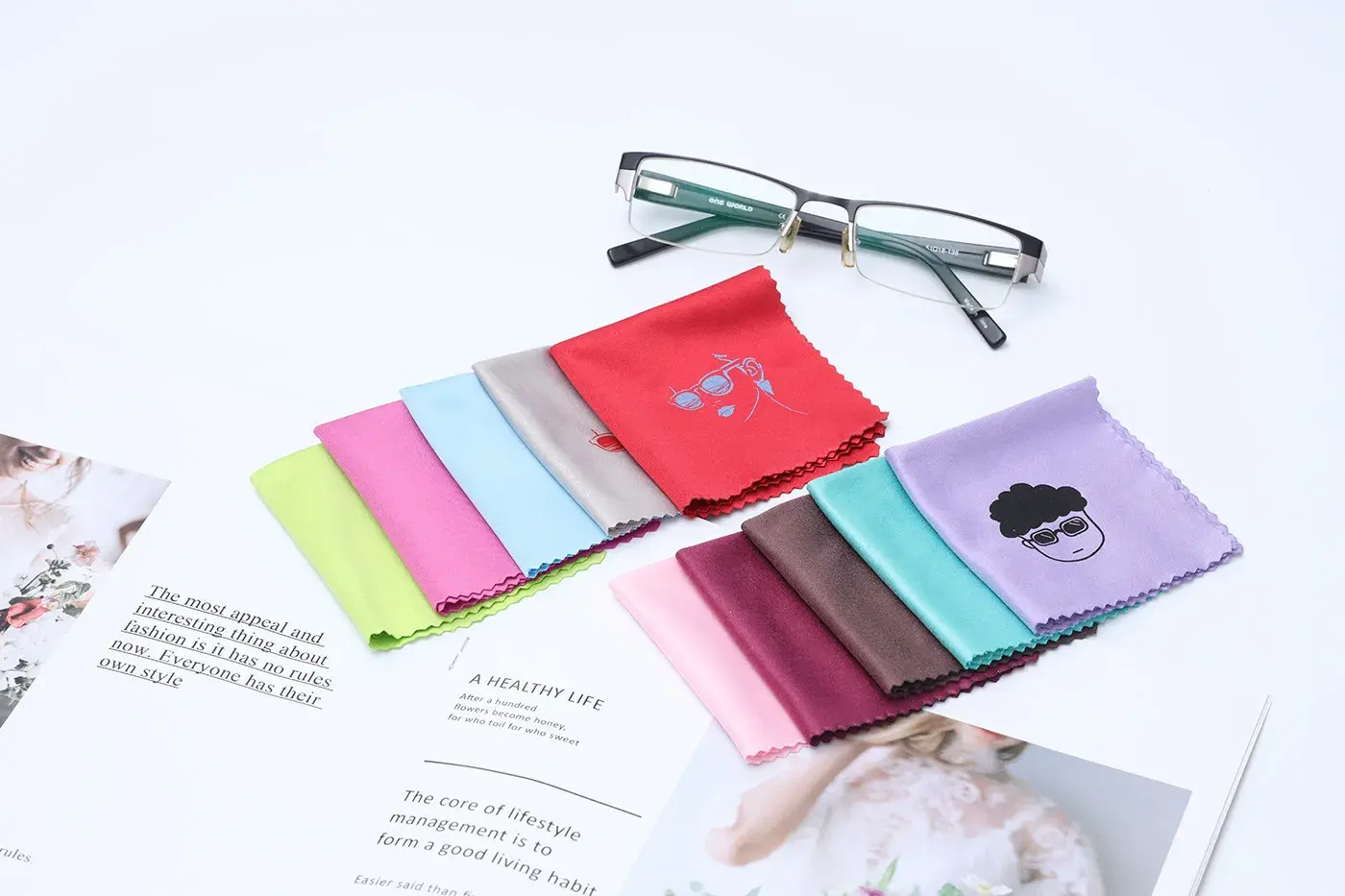
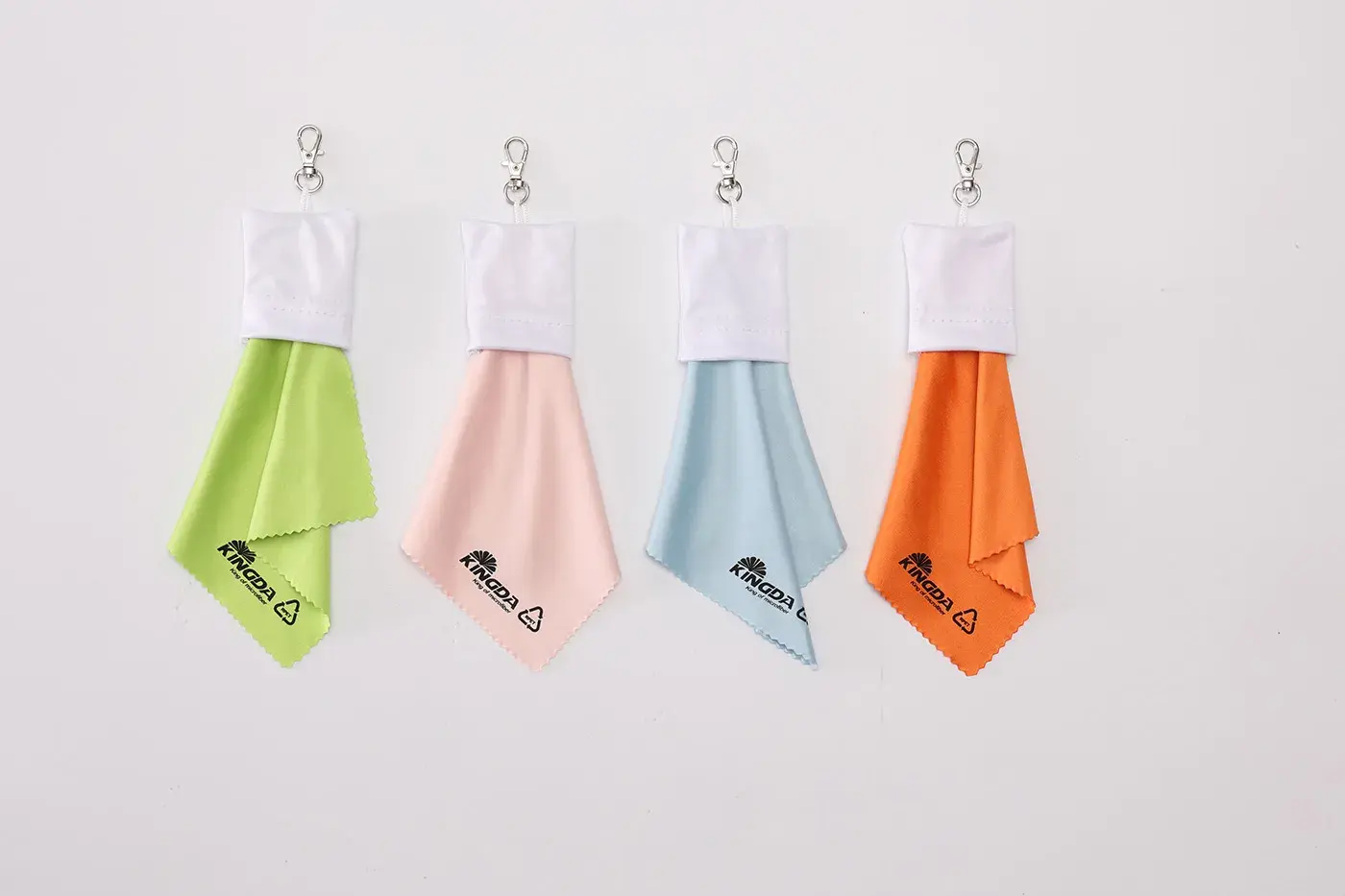
For an eyewear brand, "custom" means more than putting a logo on a stock wipe. A supplier should be able to discuss the cloth's use case, fabric construction, weight, colour, print coverage, edge finish, packing format and inspection plan as one connected brief. Current B2B supplier pages also put OEM/ODM support, sampling and packaging decisions near the top of the buying journey, which is a useful benchmark when you compare factories.
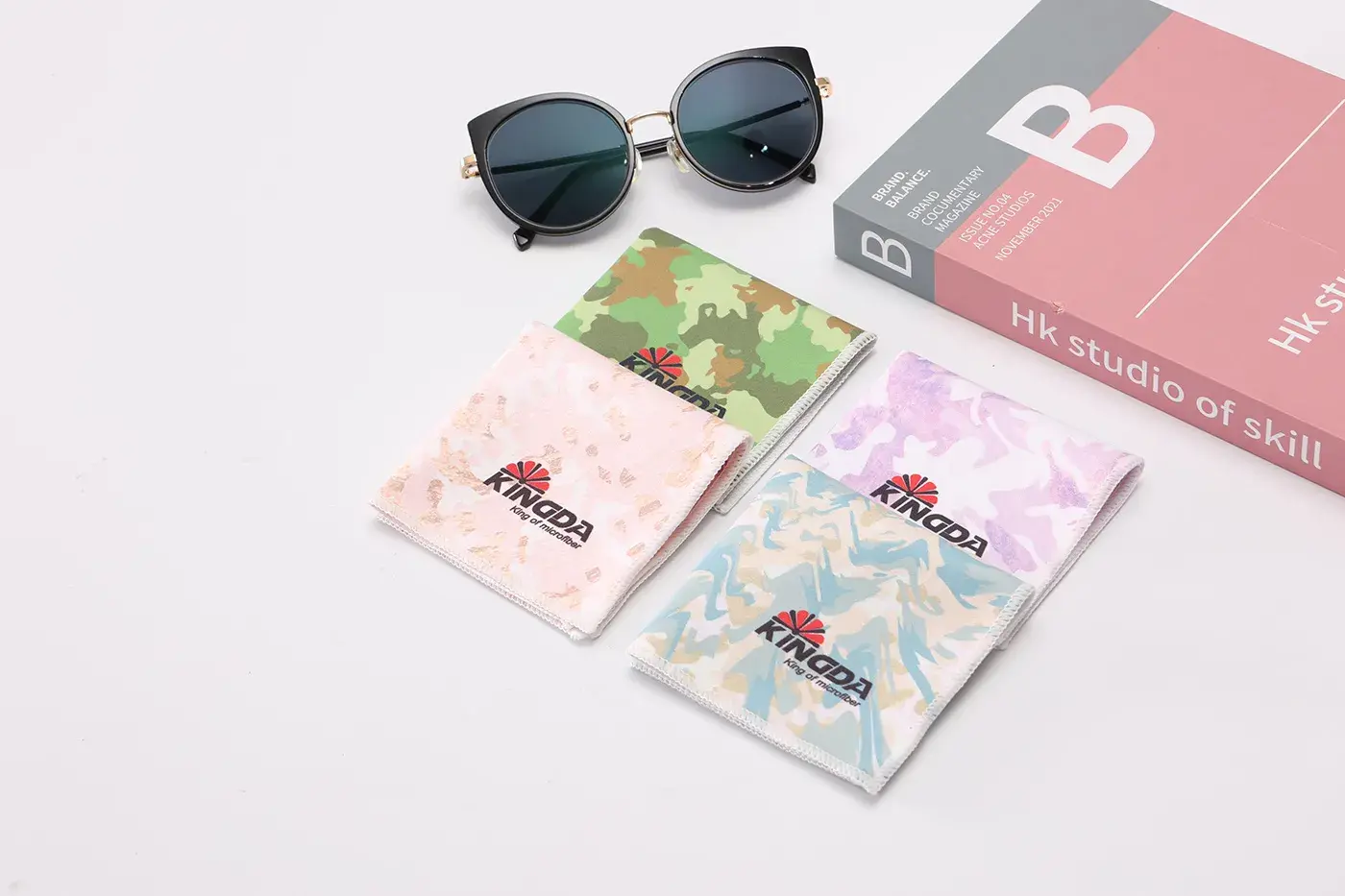
Start by separating capability from proof. A supplier may list digital print, silk-screen, foil or embossing; your quote should state which process is proposed for your artwork and which sample will be used for approval. Current supplier pages from Fuyuan and RagMage show the same buyer pattern: customization is a workflow, not a single logo upload. For Kingda's current product range, the custom cleaning-cloth category is the best place to compare constructions before asking for a recommendation.
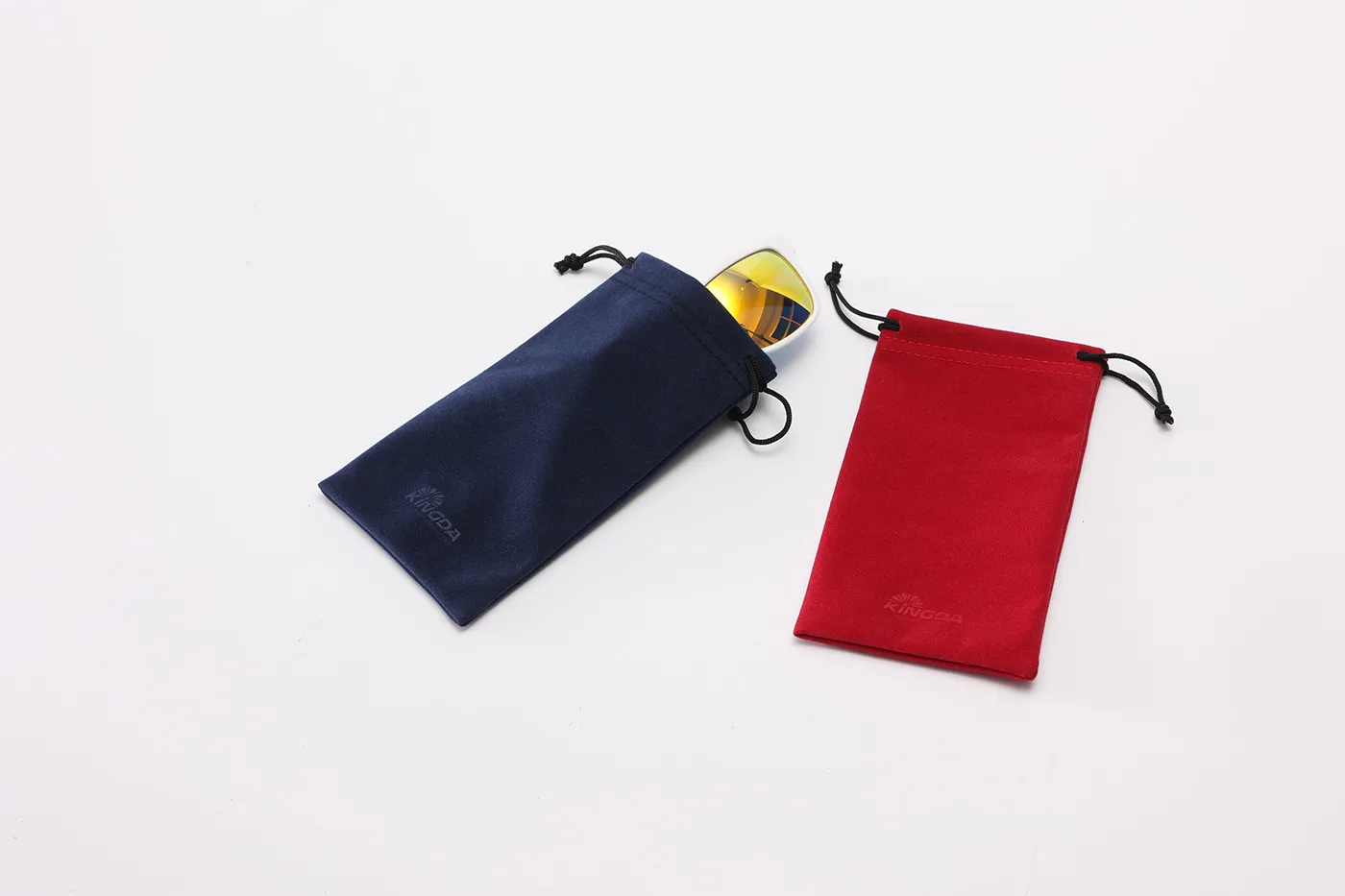
Prepare the buyer's quote brief before you contact a supplier
The fastest quote is not the shortest email; it is the one that removes assumptions. Include the information below and ask the supplier to mark any item that needs a development sample.
- Use case: optical-store giveaway, premium retail accessory, lens-care kit or promotional campaign.
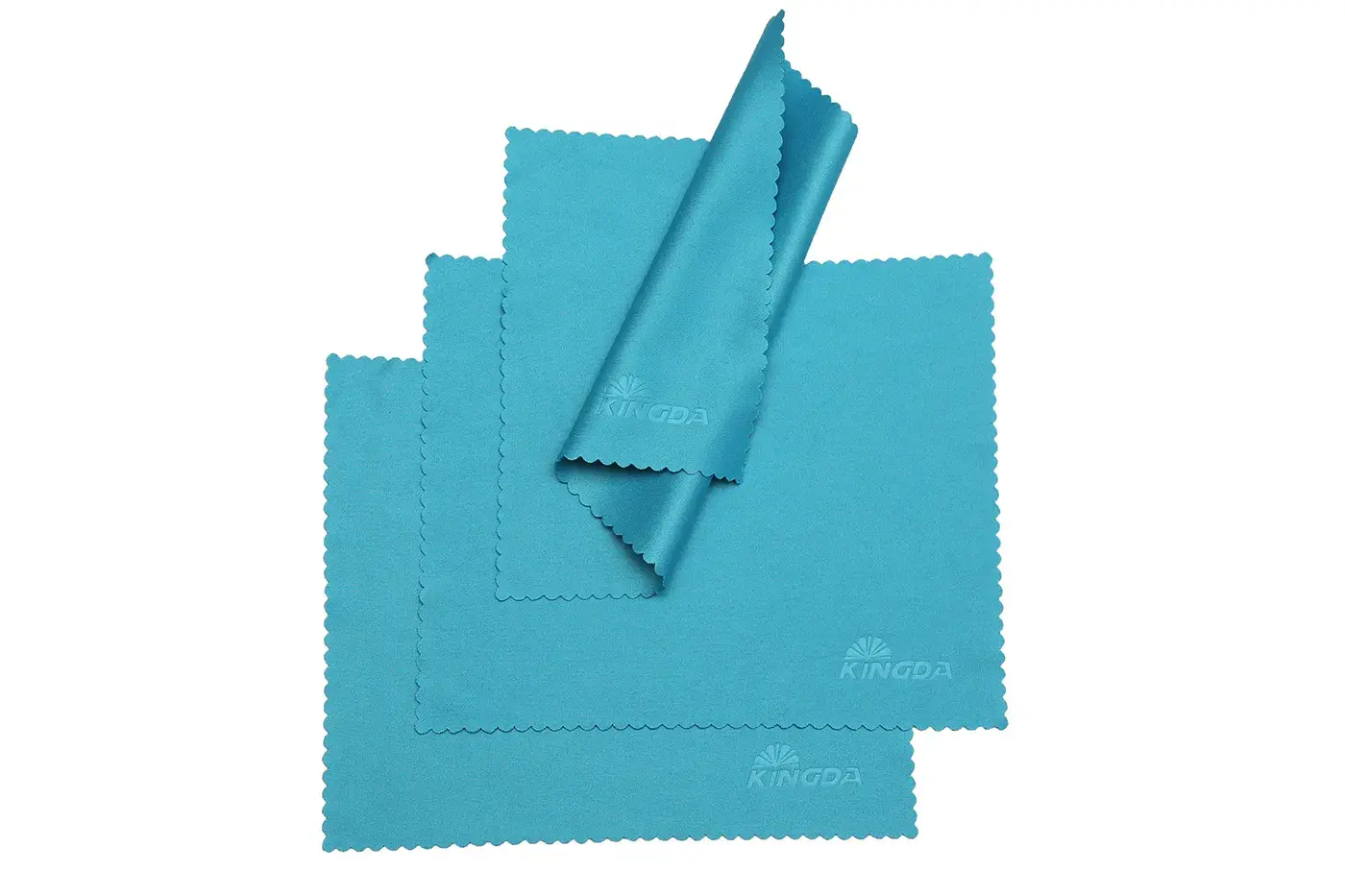
- Material target: polyester/polyamide blend or polyester base, desired GSM range, suede or double-velvet hand feel, base colour and size.
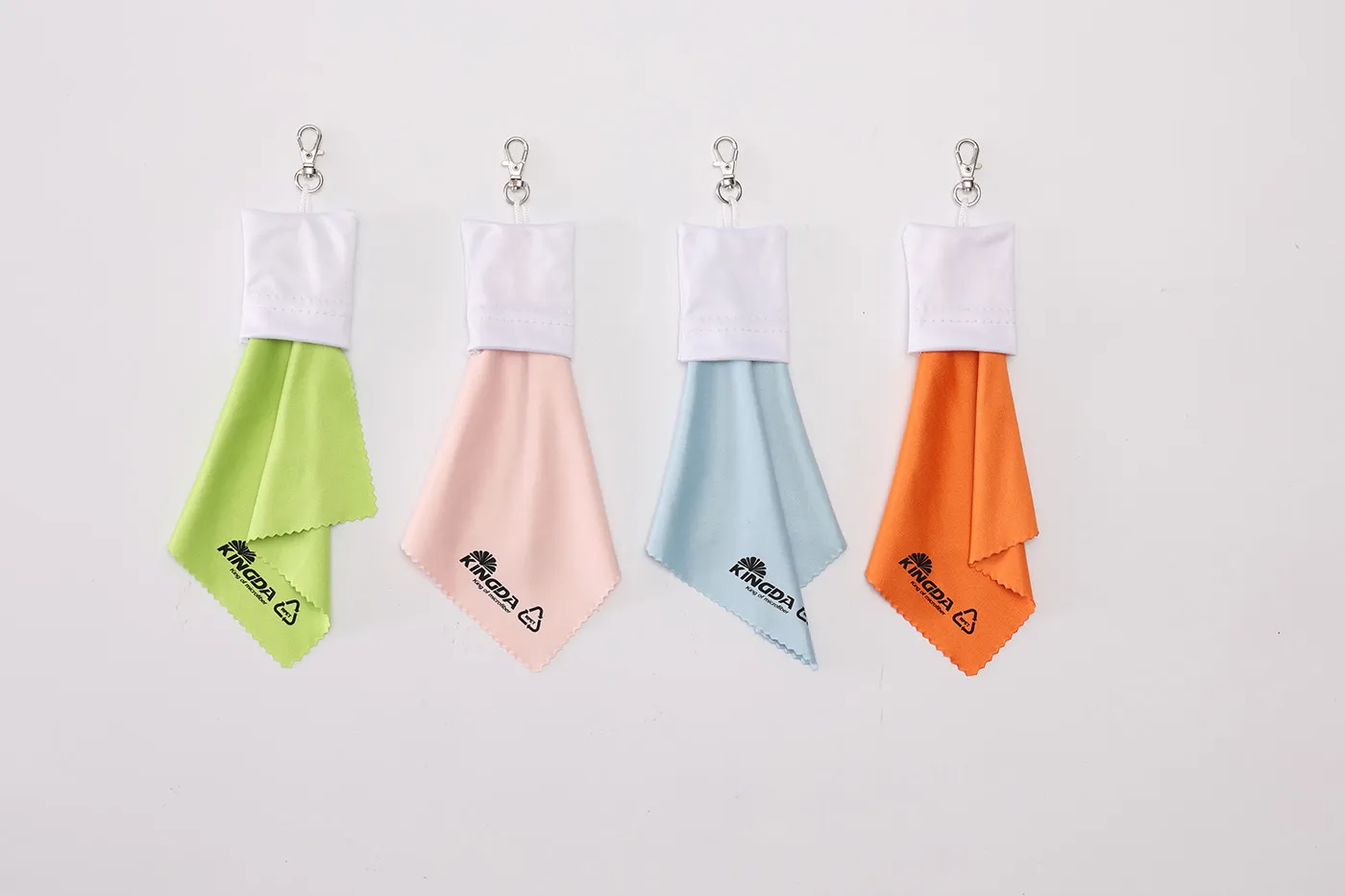
- Branding: logo placement, print area, number of colours, full-bleed artwork or spot-colour mark, and whether the reverse side stays blank.
- Construction: cut shape, hem or overlock edge, folded insert, individual sleeve and carton requirements.
- Commercial details: target quantity by design and colour, destination country, required ship window and whether you need a sample before placing a bulk order.
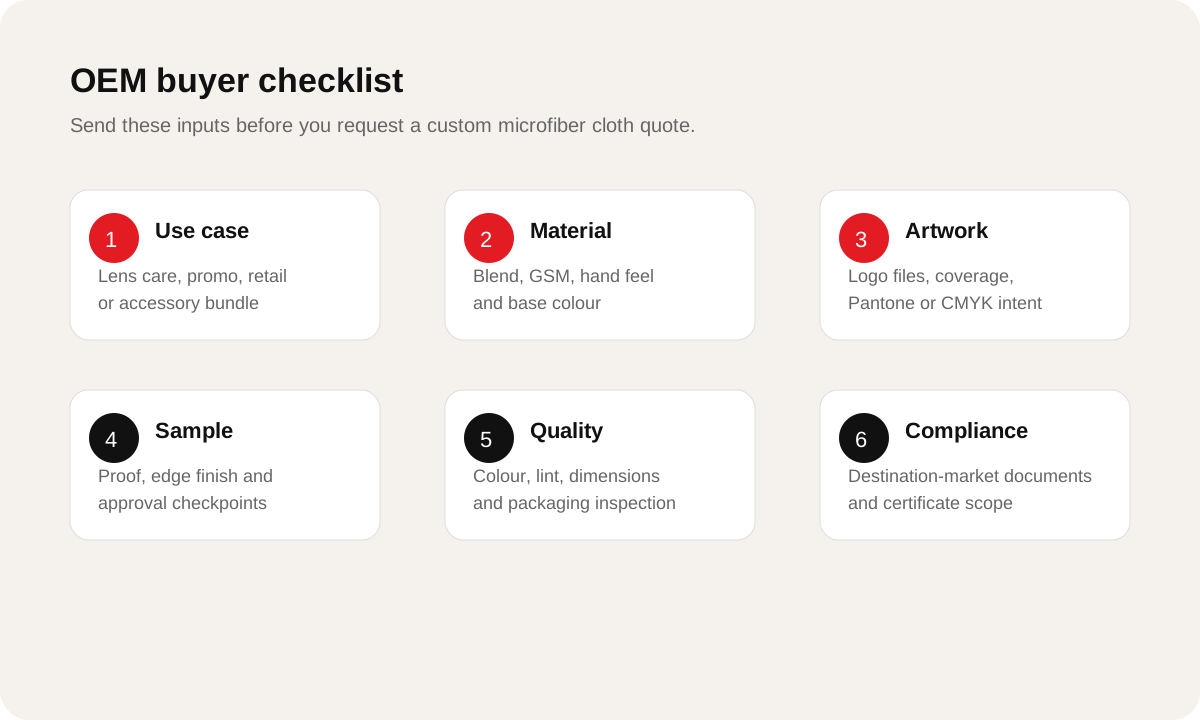
Kingda's public FAQ says typical cloth MOQ starts from 1,000 pieces per design, sampling usually takes 3-5 days, and mass production is typically 15-25 days after artwork approval. Treat those as current planning guidance, not a promise: confirm the method, quantity, packaging and destination before you release a purchase order.
Sampling, artwork and quality gates
Artwork approval should happen on the final fabric and in the final decoration process. A screen proof on paper cannot show how a logo will look on a soft microfiber surface, and a digital preview cannot confirm edge sewing, hand feel or packaging fit.
Use a simple approval sequence
Artwork check
Send vector logo files, print dimensions, colour references and the intended coverage.
Development sample
Review the actual fabric, decoration, edge and fold or sleeve format.
Written approval
Record the approved sample, colour tolerance, dimensions and packing notes.
Production inspection
Check print registration, lint, stains, dimensions, stitching and carton labels.
For a deeper process comparison, read Sublimation vs Silk-Screen Printing on Microfiber Cloths. If your team is still deciding whether the cloth material itself fits lens care, the earlier microfiber vs cotton comparison covers that separate question.
Questions that belong on the quality plan
- What tolerance applies to finished size and print position?
- How will the supplier check colour consistency between the approved sample and bulk lot?
- What lint, stain, edge and packaging defects are rejectable?
- Which compliance reports apply to the chosen material and destination market?
Compliance and shipping documents
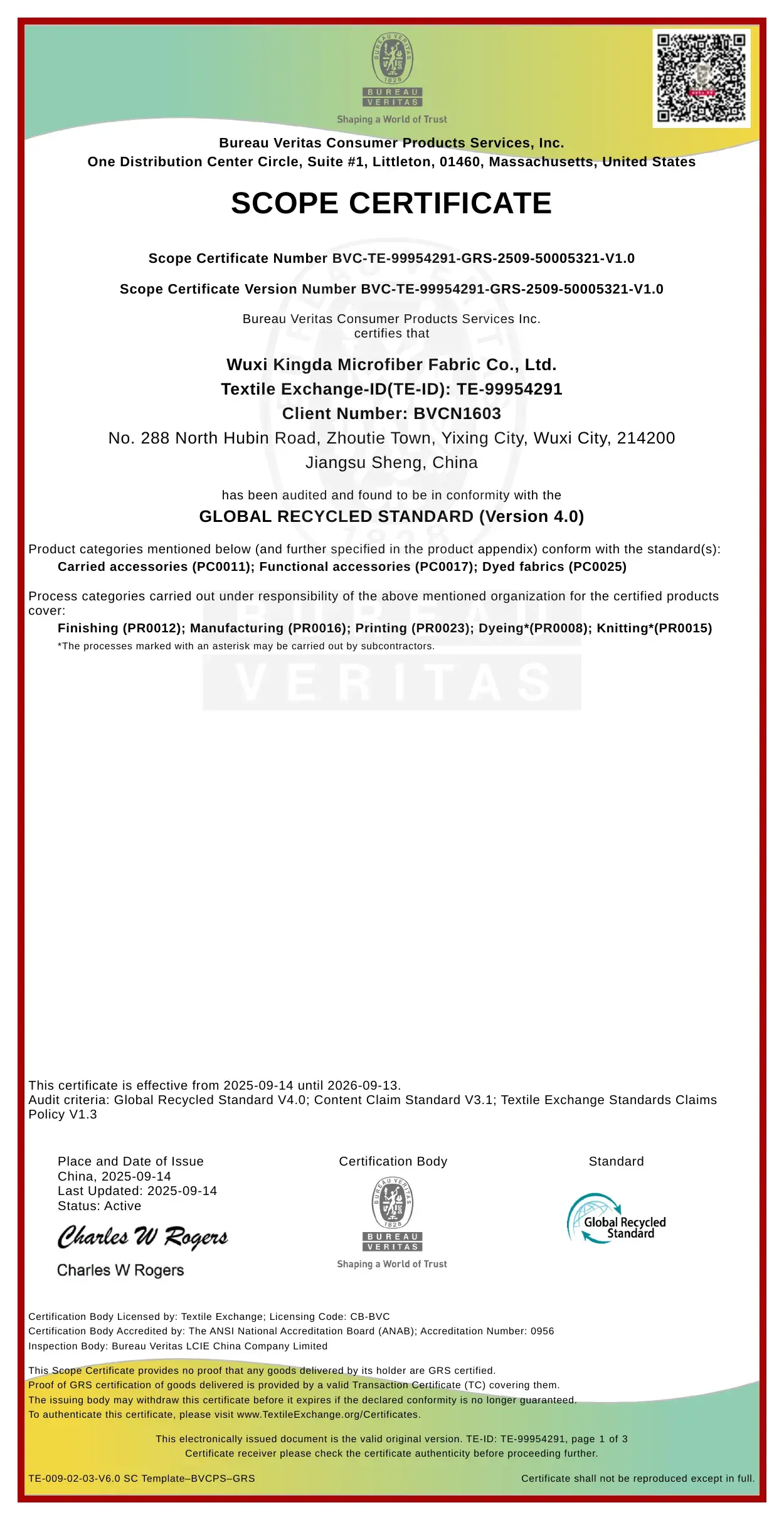
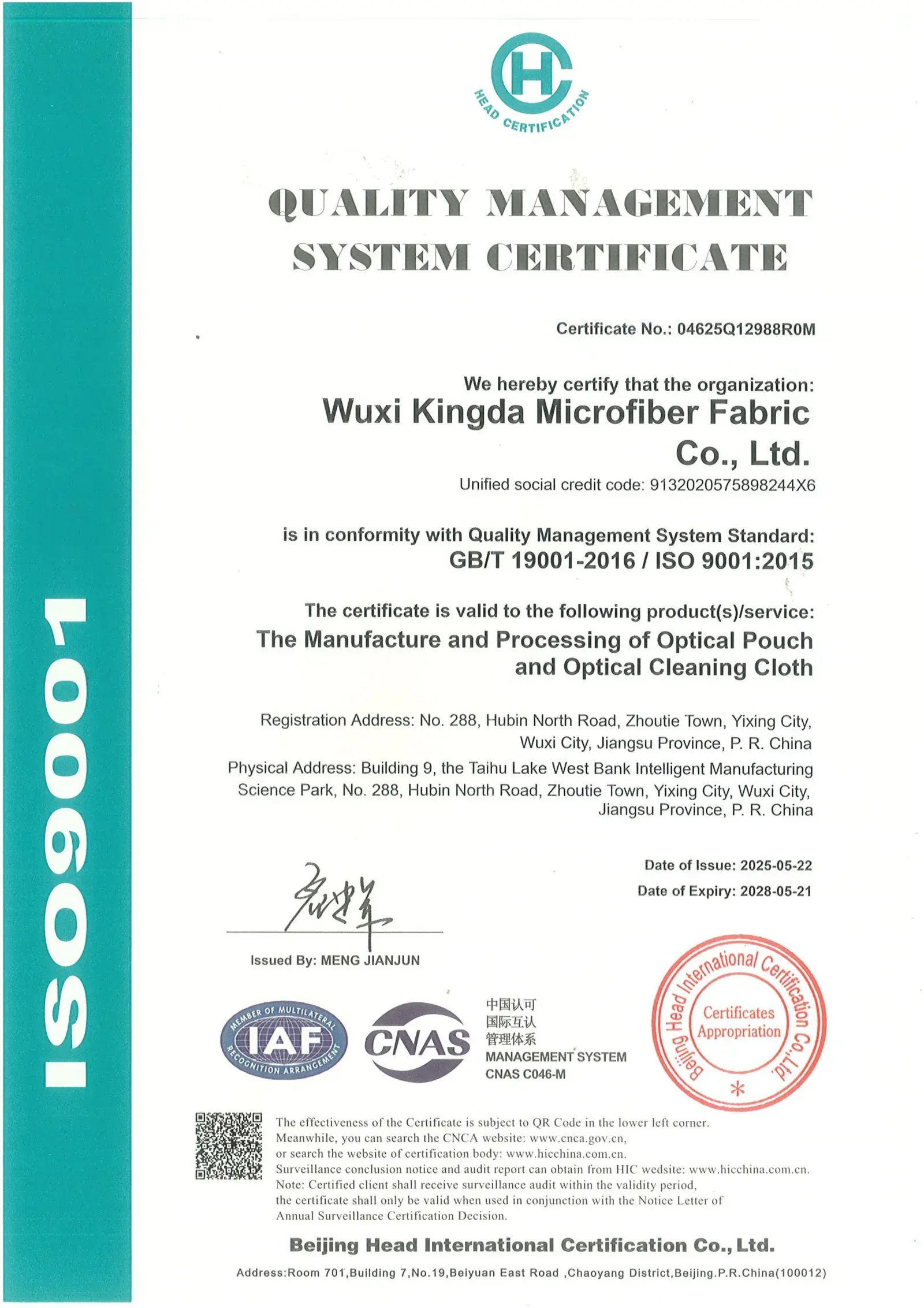
Ask for documents that match the actual material and order scope. Kingda's certifications page lists its ISO 9001:2015 certificate and selected REACH/WFD, PFAS, GRS and SMETA evidence. A certificate is useful only when the issuer, date, product scope and validity match the cloth you are buying.
Before shipment, confirm the commercial invoice, packing list, carton marks, country-of-origin information and any destination-market declaration your importer needs. If the order uses recycled content or a special chemical requirement, ask whether an order-specific transaction or test document is required in addition to a general scope certificate.
Bottom line: the best custom microfiber cleaning cloth manufacturer is the one that turns your brand brief into a repeatable specification, shows the result on the real fabric, and documents the approval gates. Send the brief through Kingda's contact page to discuss a sample and quote.