The practical difference between sublimation and silk-screen printing
Sublimation uses heat to transfer dye into a suitable polyester surface. Industry guidance from PRINTING United Alliance describes sublimation as a colour process where the substrate and transfer conditions matter. In a cloth program, that means your supplier should confirm the fibre content, base colour and final fabric before promising a colour result.
Silk-screen printing pushes ink through a prepared screen onto the cloth. It is a practical fit for a logo, wordmark or limited spot-colour artwork. Pantone's textile screen-printing guidance is useful for explaining why a colour reference and a physical approval sample matter more than a monitor preview.
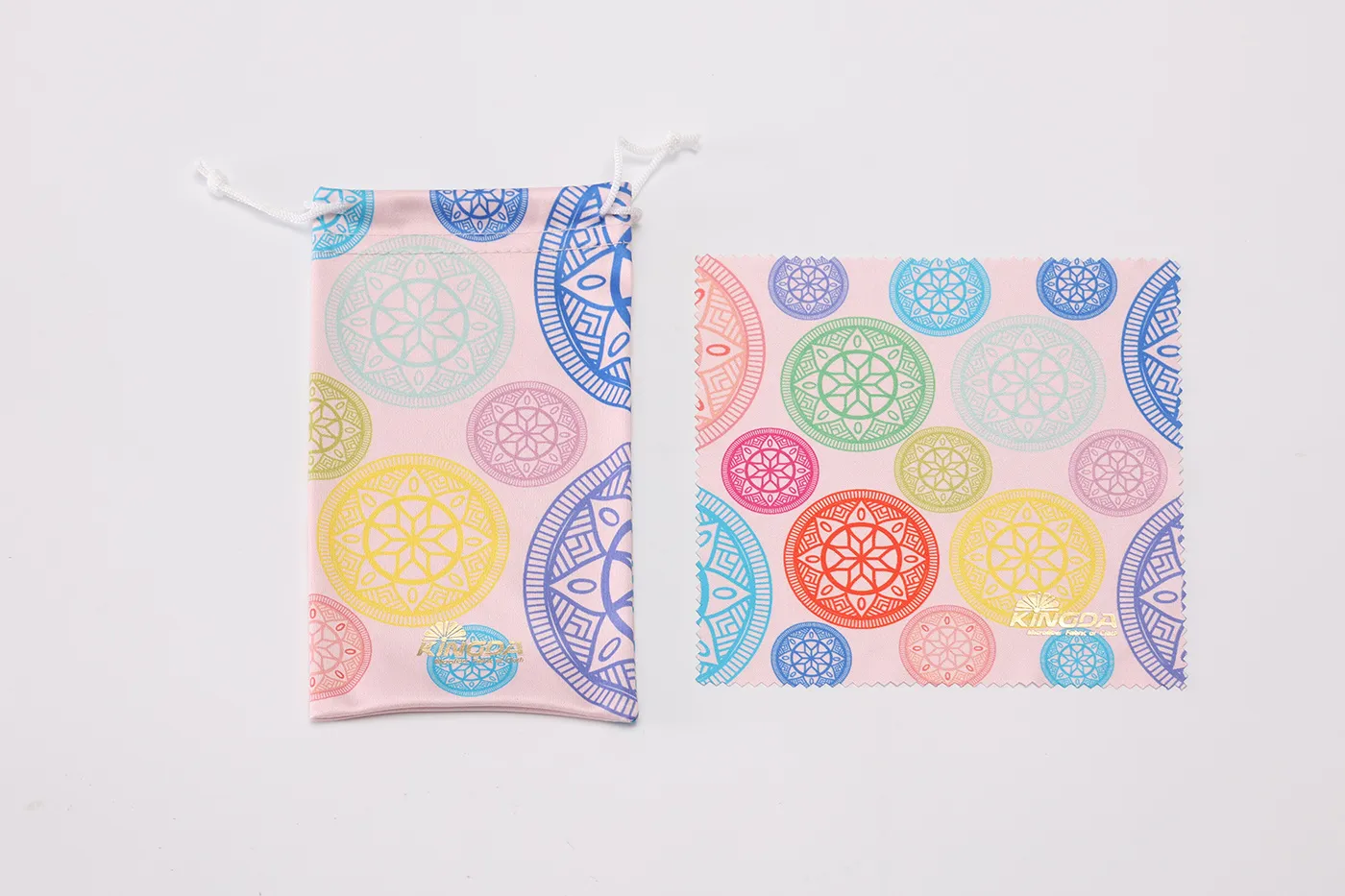
Which microfiber printing method fits your artwork?
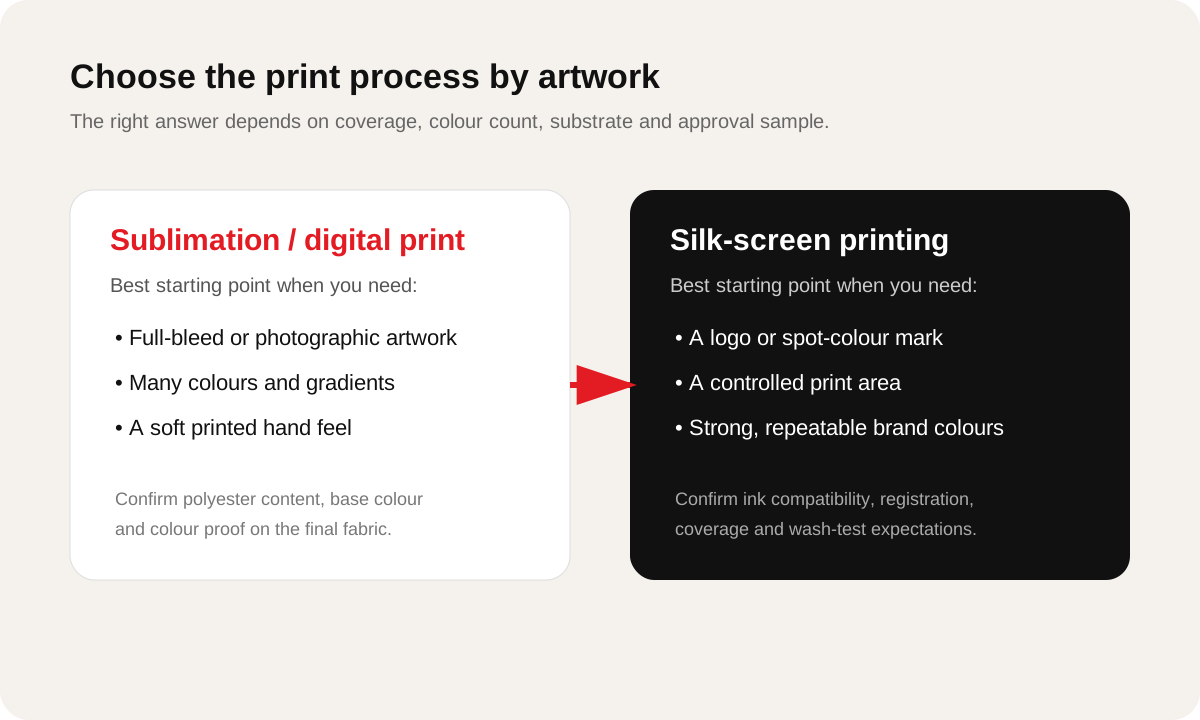
| Buyer question | Sublimation / digital print | Silk-screen |
|---|---|---|
| Artwork | Photos, gradients, many colours | Logo, type, spot colours |
| Coverage | Often suitable for broad or full-bleed artwork | Controlled print area with defined separations |
| Substrate check | Confirm polyester content, base colour and transfer conditions | Confirm ink adhesion, surface texture and curing conditions |
| Colour approval | Approve a proof on the final cloth; screen colours can shift | Use a colour reference and check registration on the actual cloth |
| Best buyer brief | Artwork file, coverage, colour target and fabric specification | Vector logo, spot-colour references, print size and number of screens |
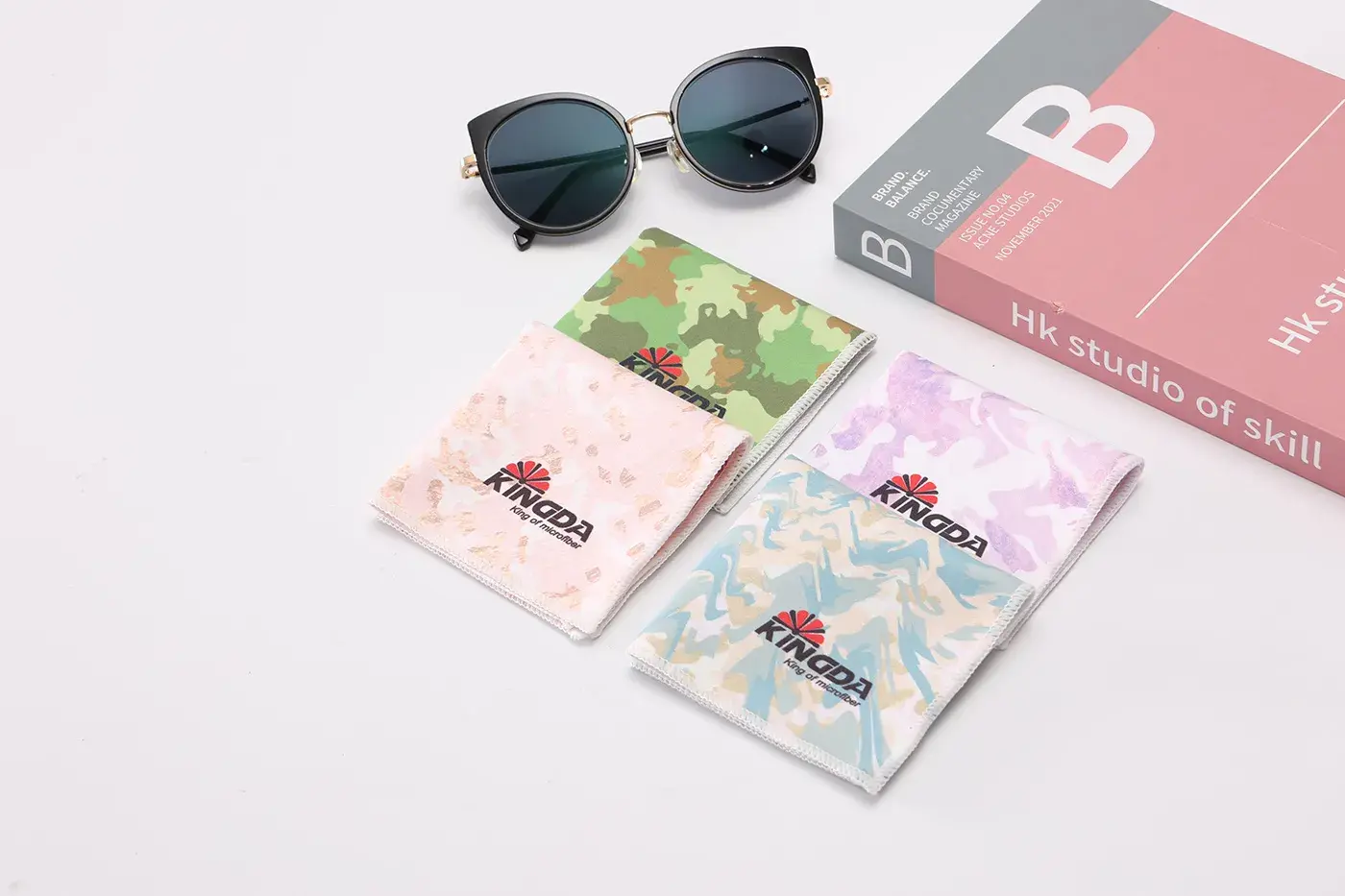
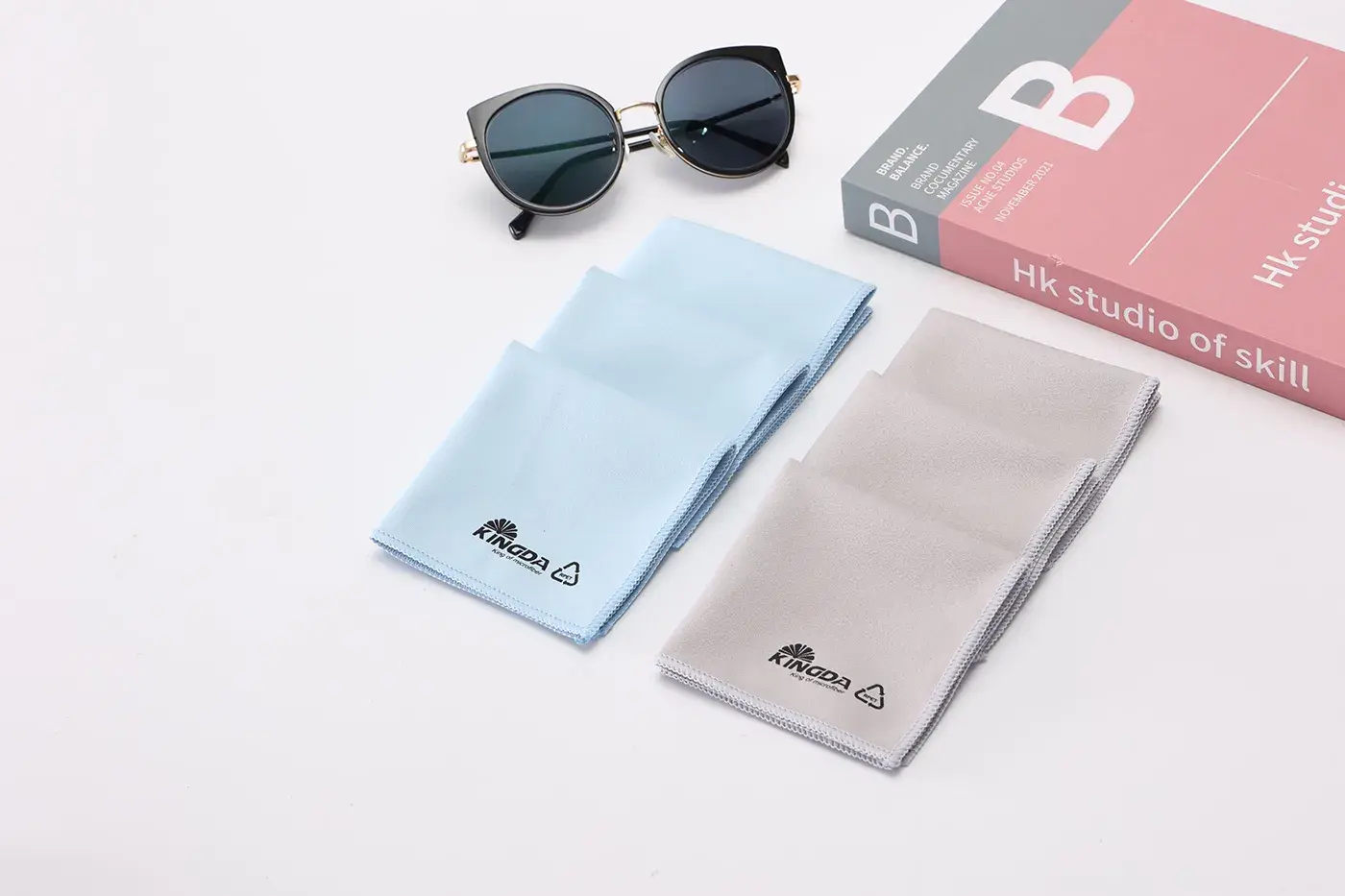
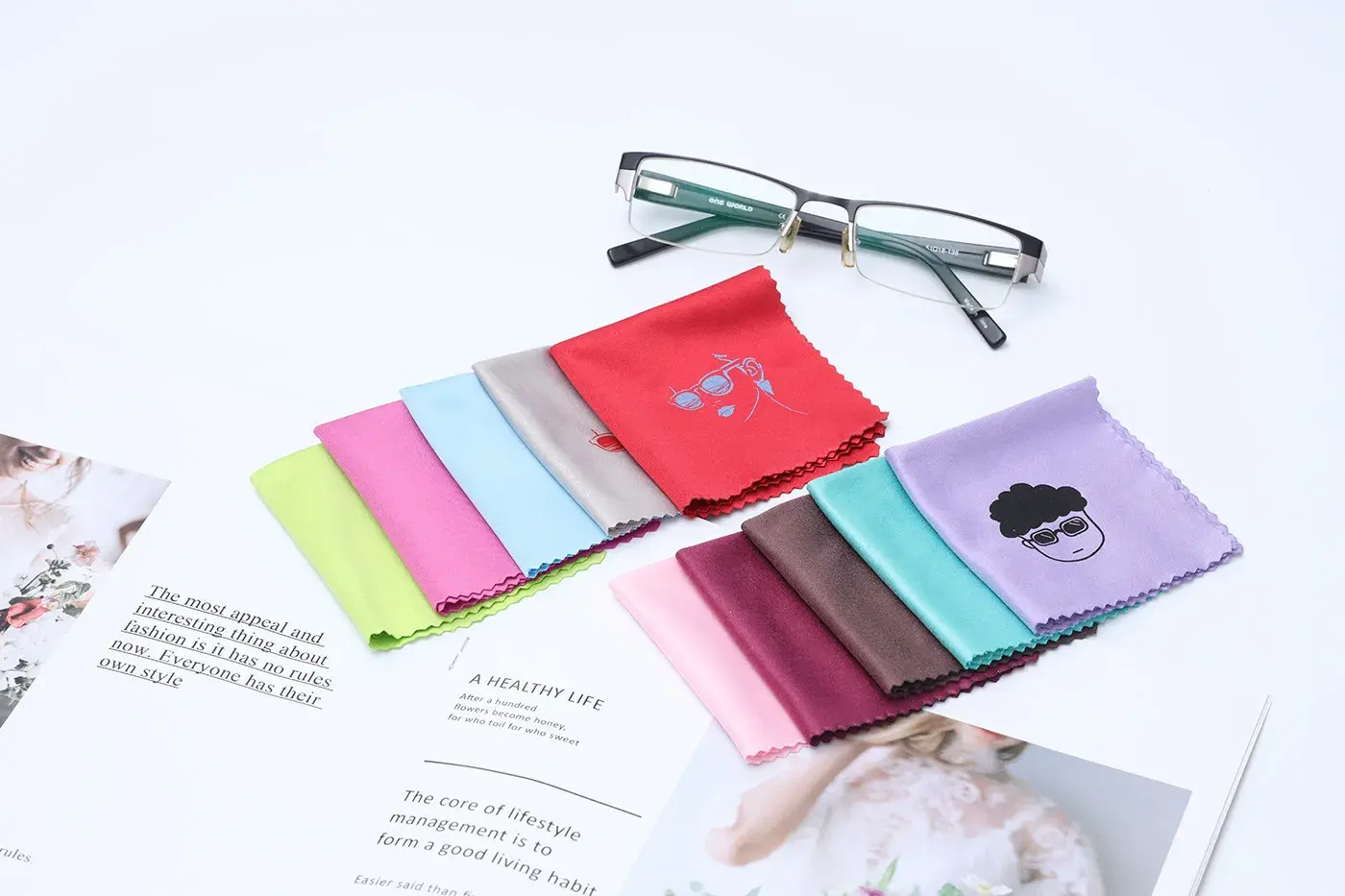
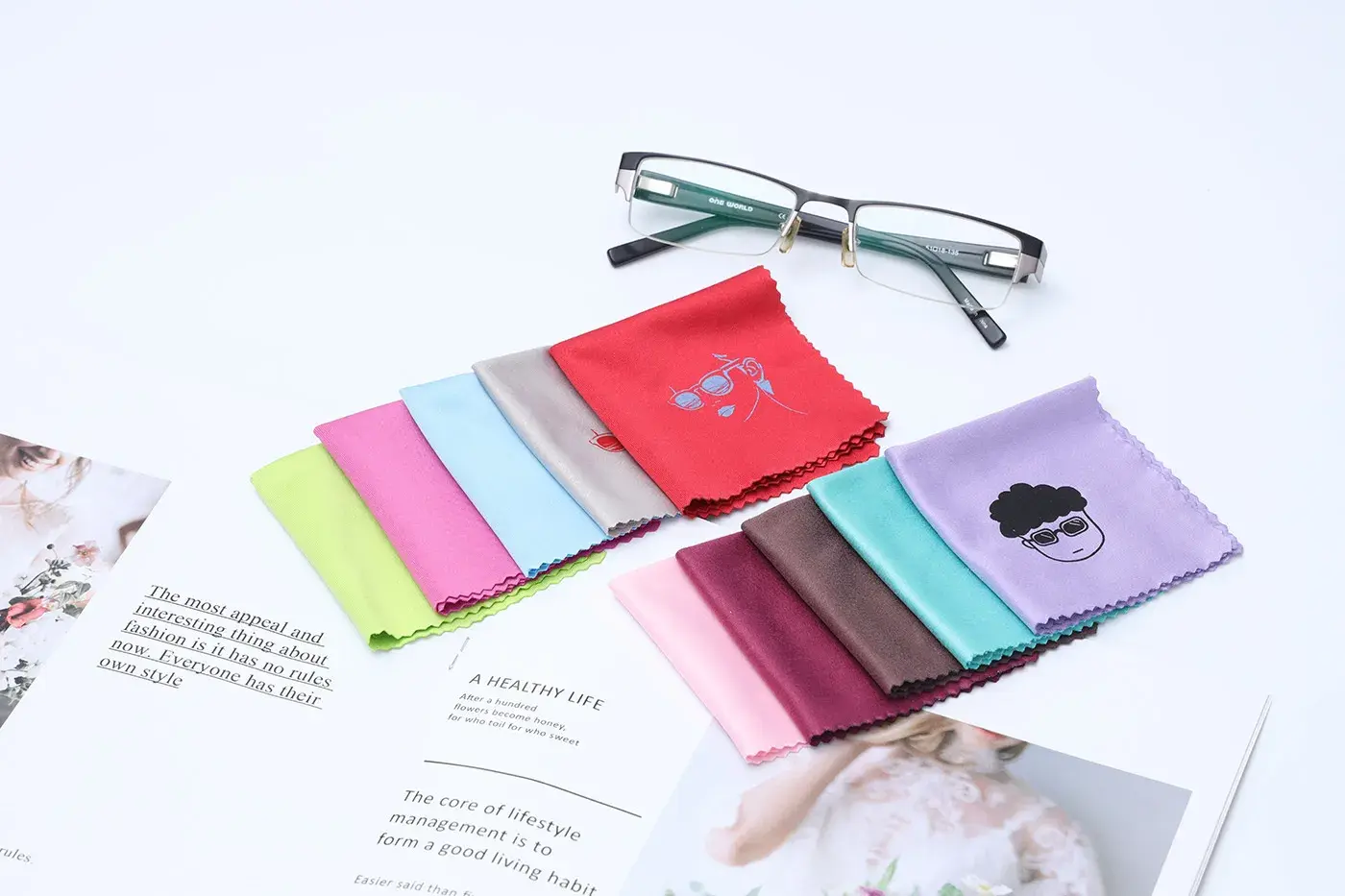
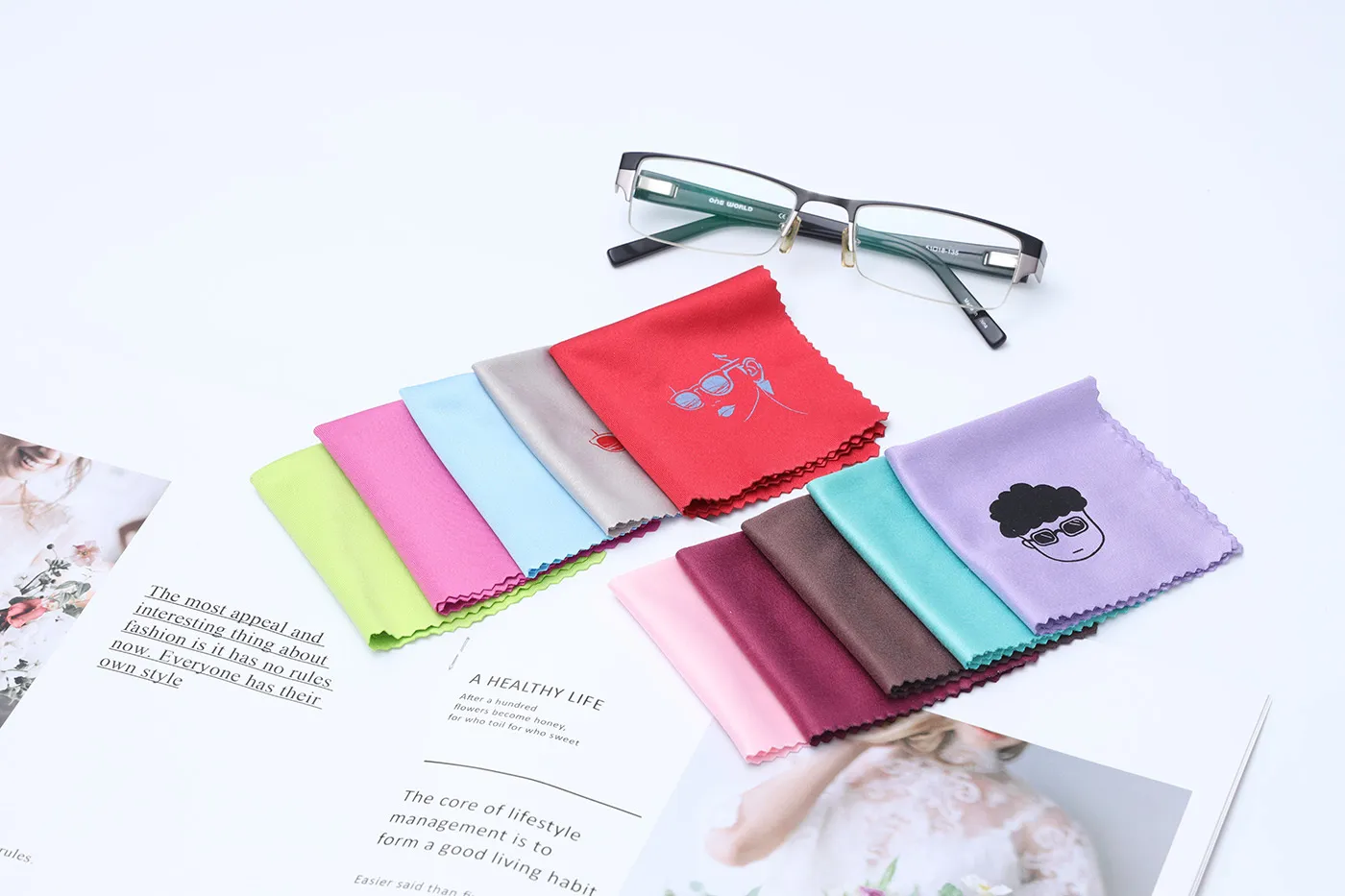
The table is a decision aid, not a production guarantee. A supplier may recommend a different process when the cloth has a special finish, dark base colour, raised texture, foil accent or a mixed decoration. Kingda's cleaning-cloth range shows examples of digital print, silk-screen and other finishing routes that can be matched to the design brief.
Artwork, sampling and colour approval
Send vector artwork where possible and state whether the file is a spot-colour job or a full-colour image. Include the finished print size, safe area, bleed, orientation, repeat position and the colour reference your brand team will use. If the cloth is part of a retail kit, send the pouch, case or insert dimensions at the same time so the final set is consistent.
Approve four things - not just the logo
- Colour: compare the approved sample under a consistent light source and record any agreed tolerance.
- Registration: check edges, small type and repeat alignment against the finished dimensions.
- Hand feel: confirm that the print does not make the cleaning surface feel unexpectedly stiff or tacky.
- Durability: define the wash or rub test that matters for your use case and destination market.
For a procurement workflow, pair this article with the OEM buyer's guide. It covers the quote brief, sample gates, edge finish, packing and compliance questions that sit around the printing decision. The digital-print product example and silk-screen product example can help your team make the discussion concrete.
Bottom line: choose sublimation/digital print for complex, full-colour artwork when the substrate supports it; choose silk-screen for controlled logo and spot-colour work. In both cases, ask for a sample on the final microfiber cloth and approve the written specification before bulk production. To discuss artwork and print options, contact Kingda.