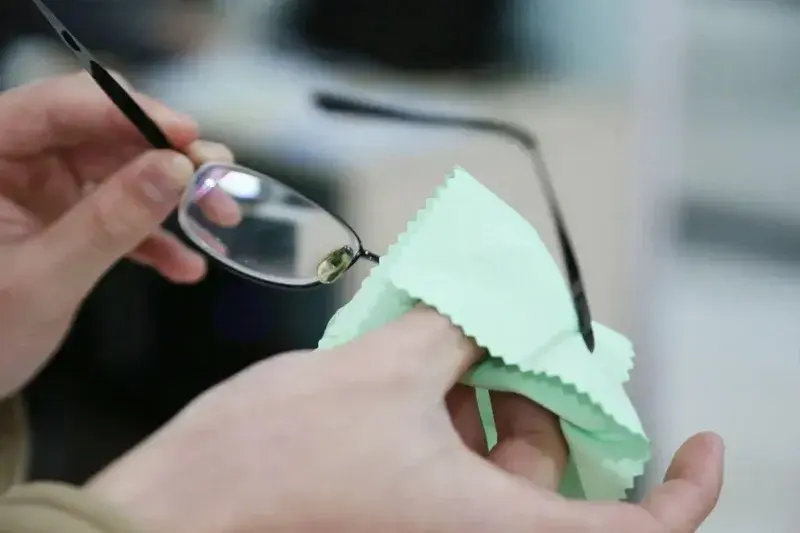
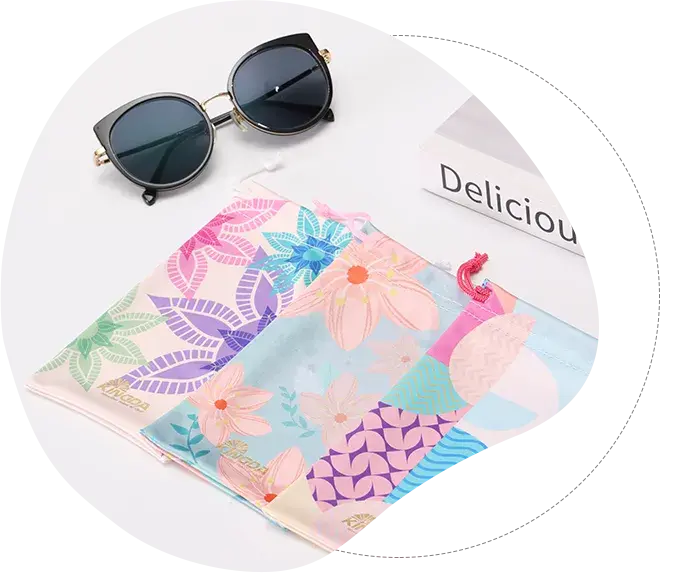
What belongs in a custom eyewear packaging set?
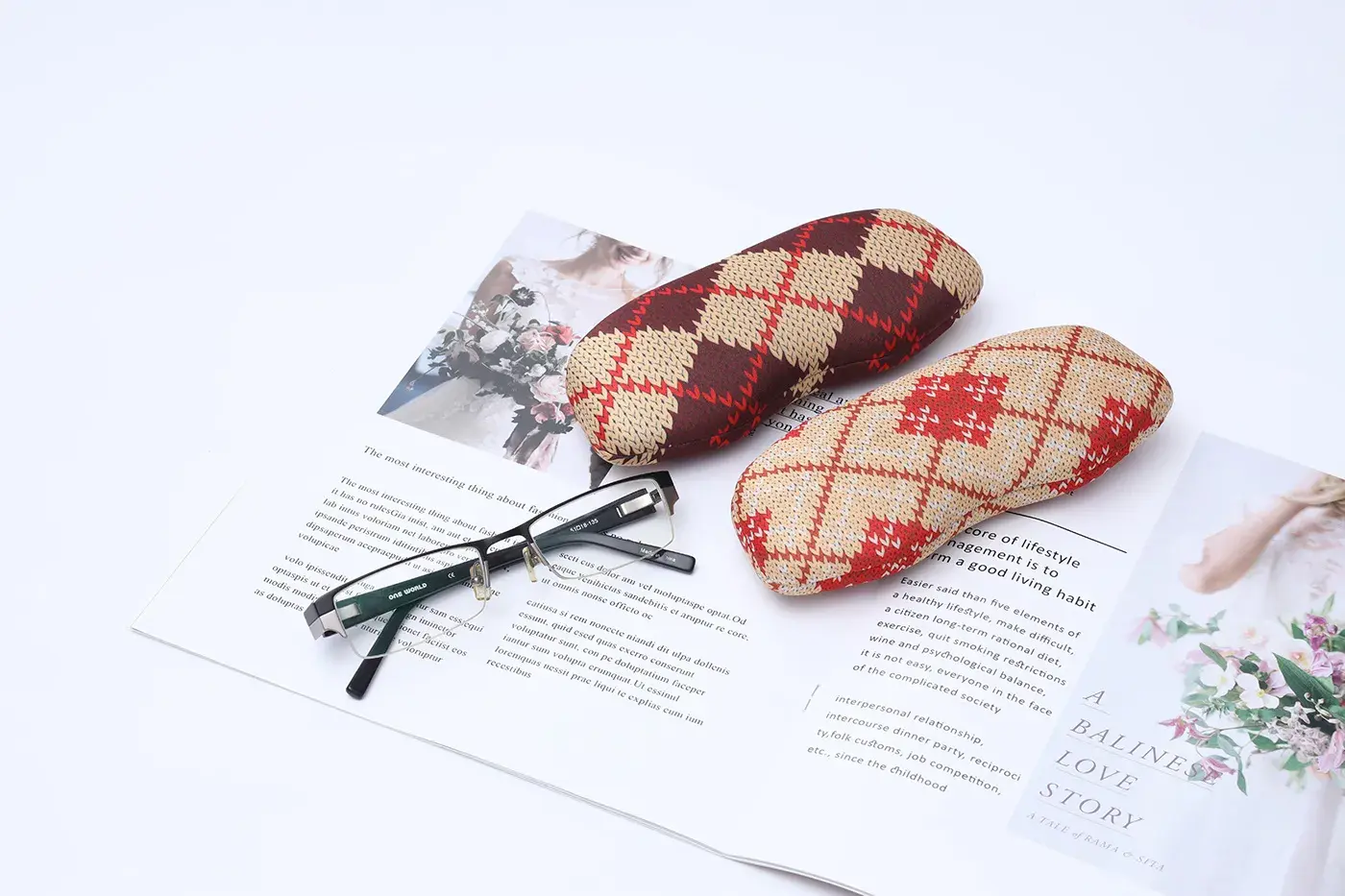
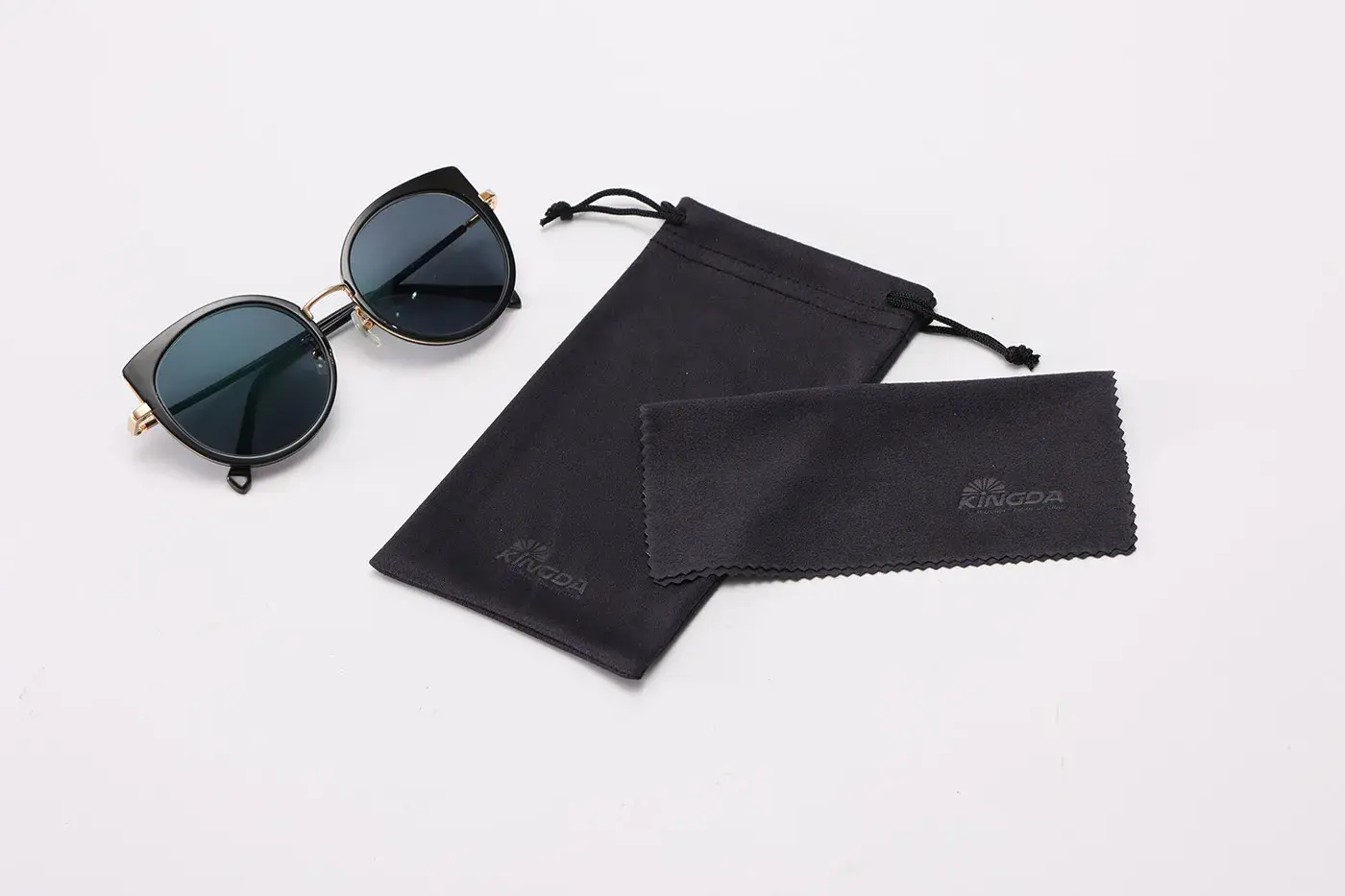
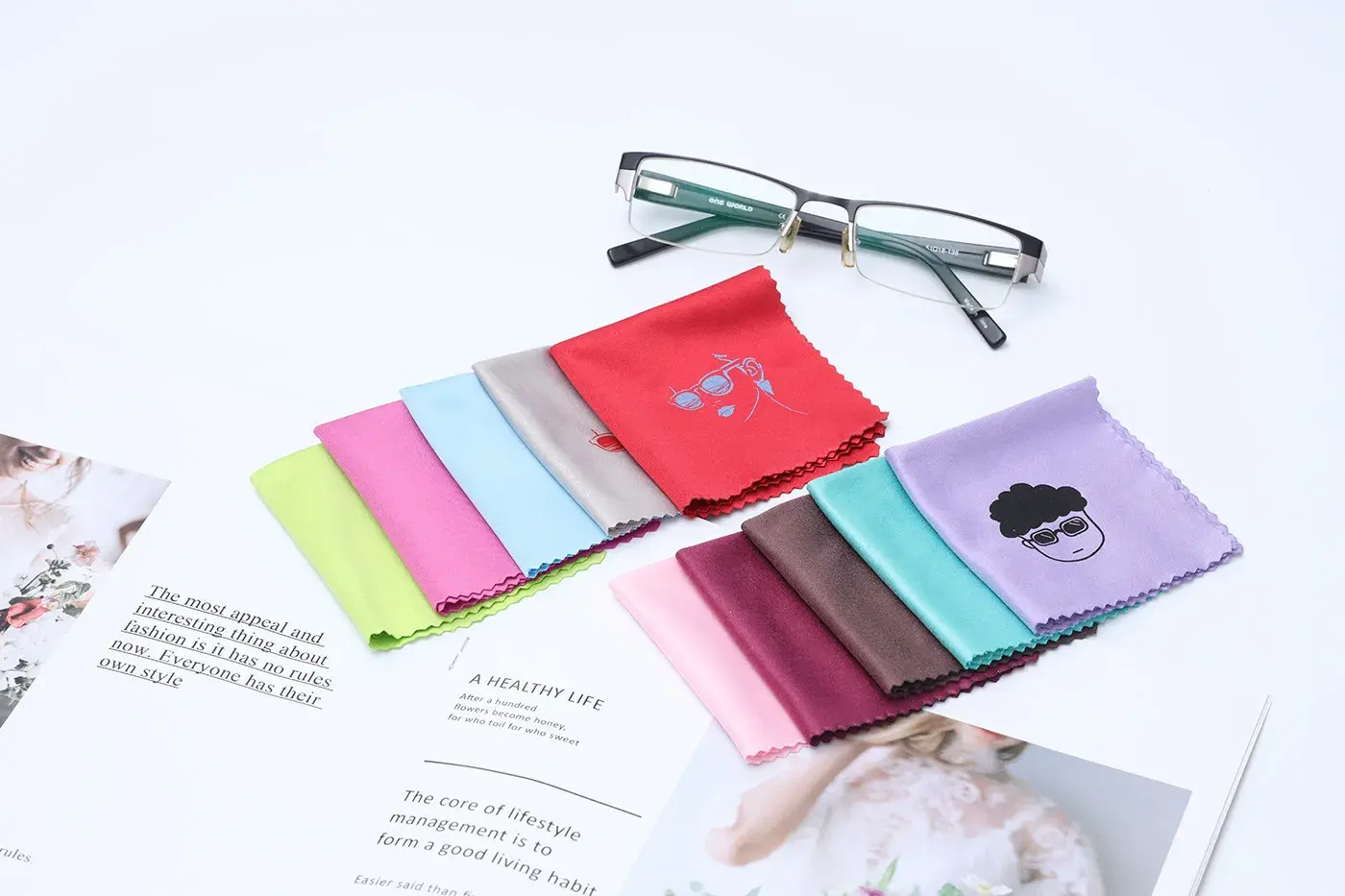
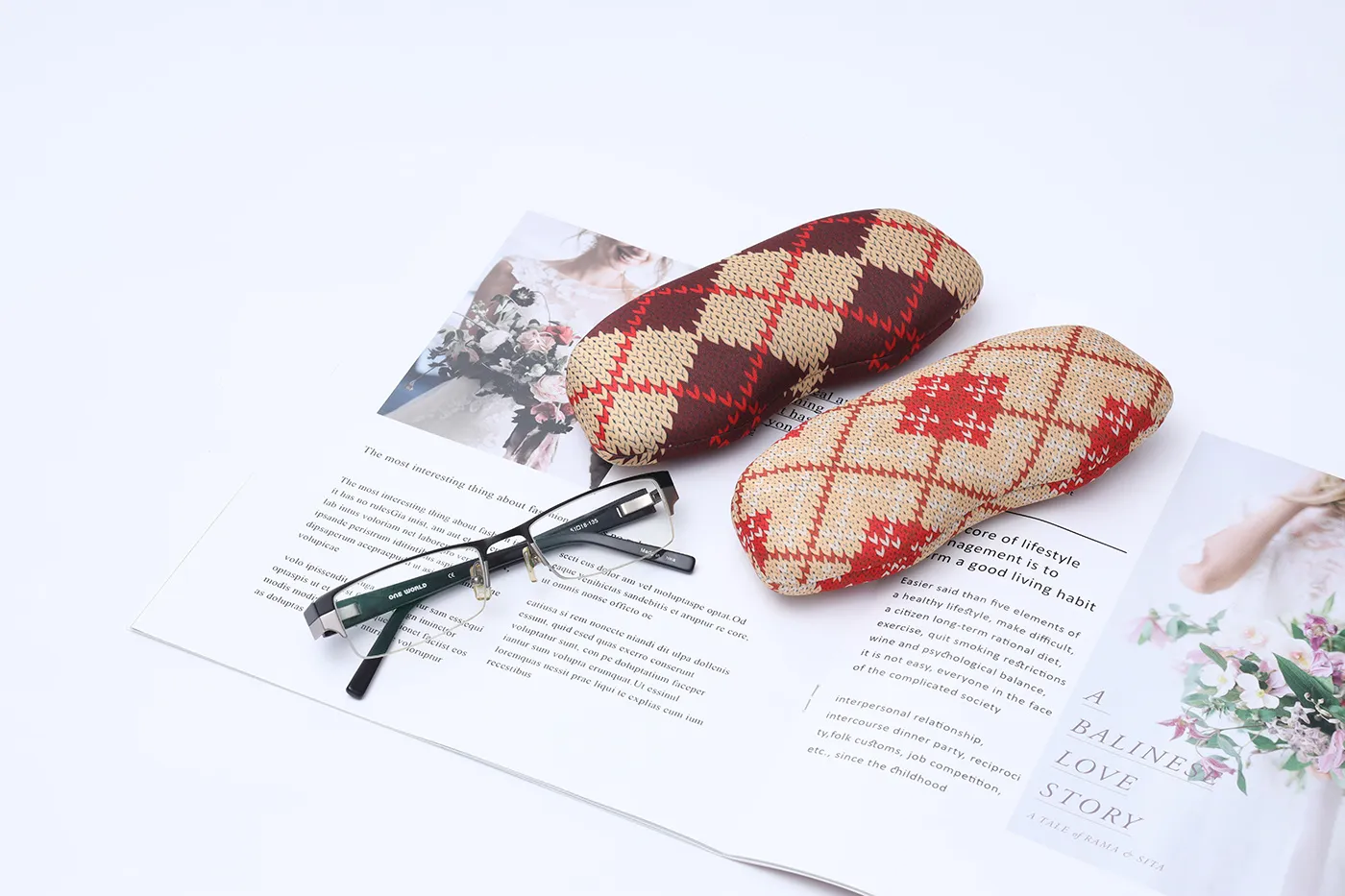
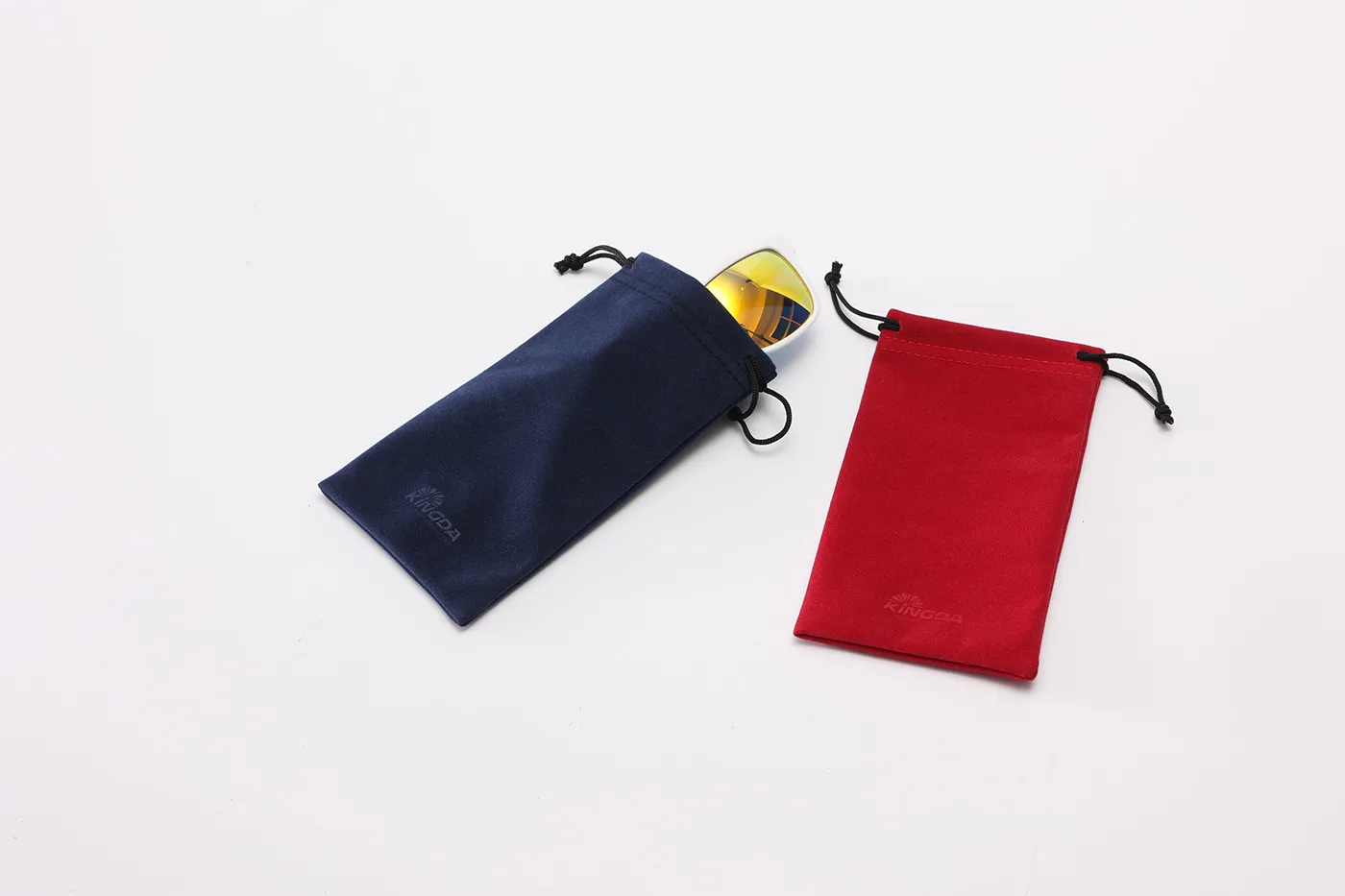
A custom eyewear packaging set normally combines several touchpoints around the frame: a case or structured holder, a soft pouch, a microfiber cleaning cloth, an insert or care card, and an outer box, sleeve or bag. The exact mix should follow the brand channel and frame program rather than a supplier's stock photo. Current eyewear packaging results commonly group the case, pouch and cloth together, while broader kits may add a box, brochure, tag or bag.
A current B2B packaging listing shows the practical reason to define the set early: case, cleaning cloth and pouch have different materials, logo surfaces and fit checks. Another supplier's buyer checklist asks for size, quantity forecast, artwork, target market and delivery schedule before quoting. Those are useful sourcing prompts, not Kingda price or capability claims.
MOQ and cost drivers: what changes the quotation?
There is no responsible universal MOQ or unit price for a custom eyewear packaging set. A set with one standard component and a set with several custom components have different setup, material and approval work. Ask the supplier to show the assumptions behind each line instead of comparing one headline number.
| Driver | What to define | Why it matters |
|---|---|---|
| Component mix | Case, pouch, cloth, insert, box, bag | Each component can have its own setup, material and sampling path. |
| Structure and fit | Frame dimensions, clearance, closure and lining | Custom fit may require engineering and a physical approval sample. |
| Material and finish | Textile, paper, EVA, hardware, coating and color | Material minimums, color matching and surface finish affect the quote. |
| Brand process | Print, foil, emboss, label, plate or hardware | Artwork preparation and registration checks vary by process and surface. |
| Packing method | Individual pack, matched set, carton and labels | Pack-out labor, carton dimensions and shipping assumptions change. |
| Order profile | Forecast, launch quantity and repeat plan | A supplier can separate one-off sampling from a repeatable production brief. |
Use current packaging SERP pages to see how suppliers organize customization options, but do not import their MOQ, lead time, price or client claims into a Kingda article. The correct Kingda quotation remains project-specific and must be confirmed for the actual construction.
Prepare a quote brief that reduces back-and-forth
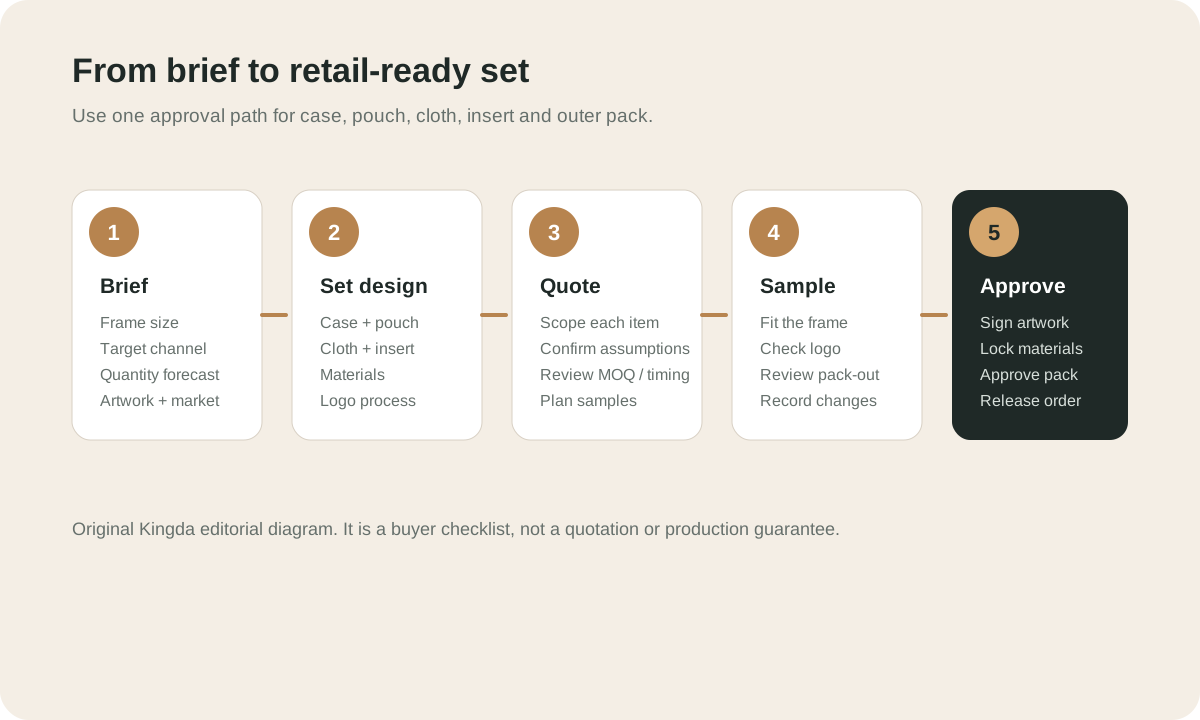
Send enough information for the supplier to separate a real specification from a generic sample. For an eyewear packaging set, include:
- Frame reference: the largest frame, a dimensioned drawing or a verified fit envelope.
- Set architecture: which items must be included, packed together or sold separately.
- Brand inputs: vector logo, color references, decoration preference and artwork placement.
- Commercial inputs: target market, quantity forecast, launch timing and expected repeat order.
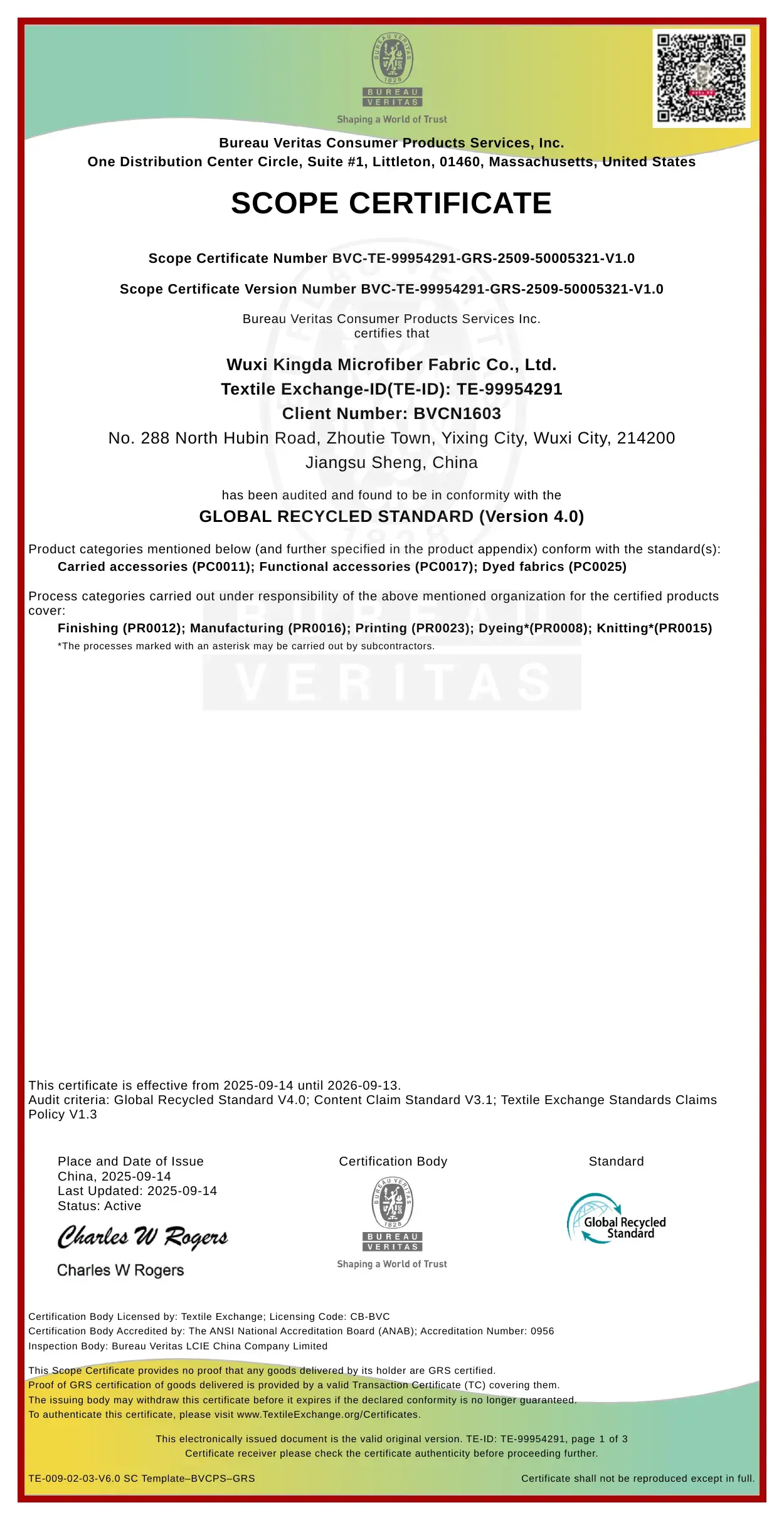
- Compliance inputs: destination-market documents, recycled-material requirements or packaging restrictions.
Ask for a line-item response covering material, size, logo process, sample scope, MOQ assumptions, production timing, packing and any buyer-supplied components. This lets a procurement team compare like with like without treating a stock model as a finished private-label set.
Sampling and approval workflow
Sample the components together whenever the set will be sold or shipped together. Check frame fit, pouch opening, cloth size, logo scale, color relationship, insert wording, box clearance, barcode placement and the final pack-out. A case that fits the frame can still fail the retail brief if the pouch, cloth and insert do not sit neatly inside the outer pack.
Record each change against the approved artwork and sample. Confirm which materials, finishes and dimensions are frozen, then request a final pre-production sample where the project needs one. Kingda's product packaging category, case category and pouch category are useful starting points; send the complete brief for a project-specific quotation.
For a lighter textile-led program, compare the pouch and case decision in the pouch-versus-case guide. For logo and cloth decoration choices, see the microfiber printing comparison.