Pouch vs case: the practical trade-off
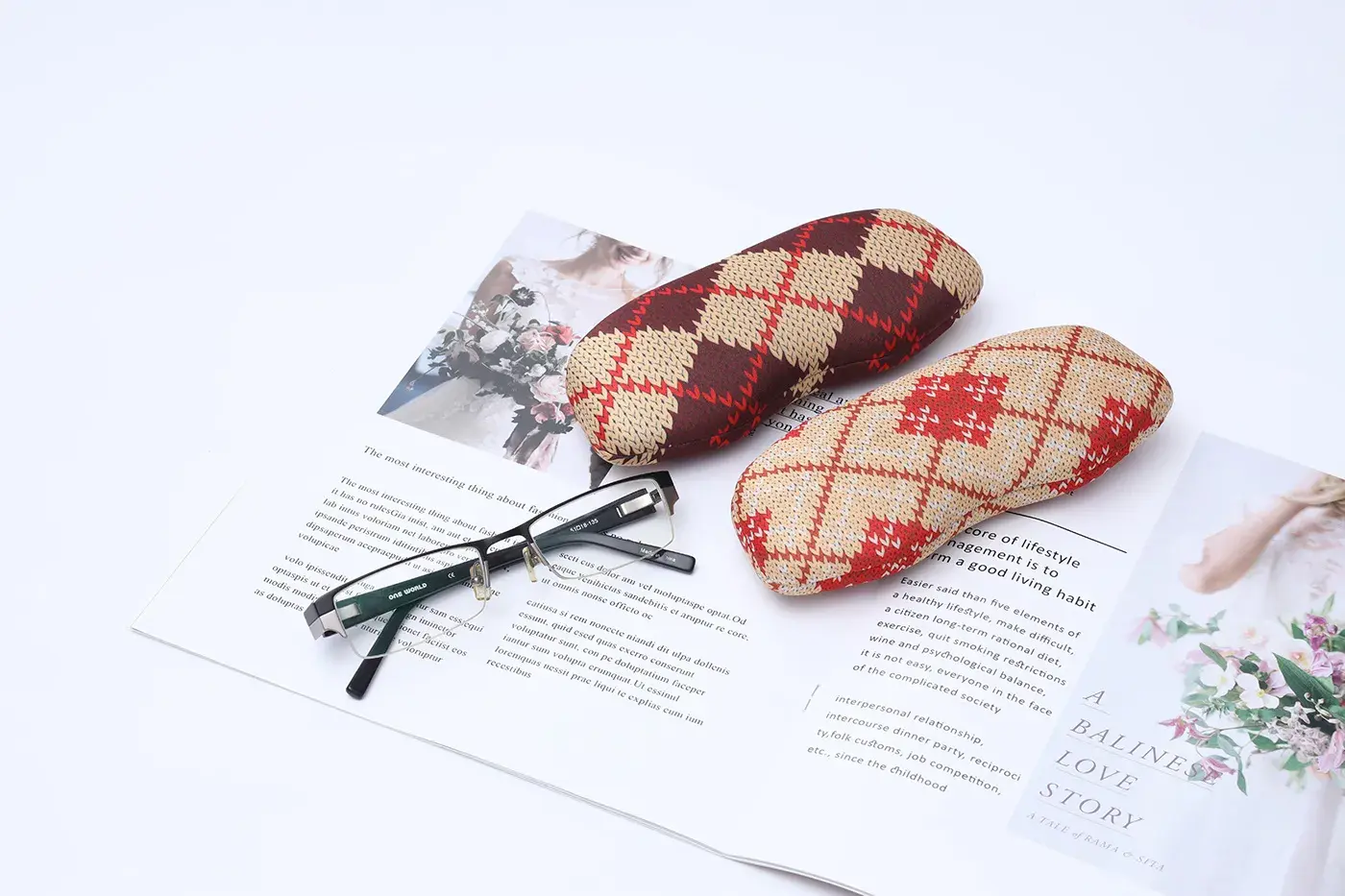
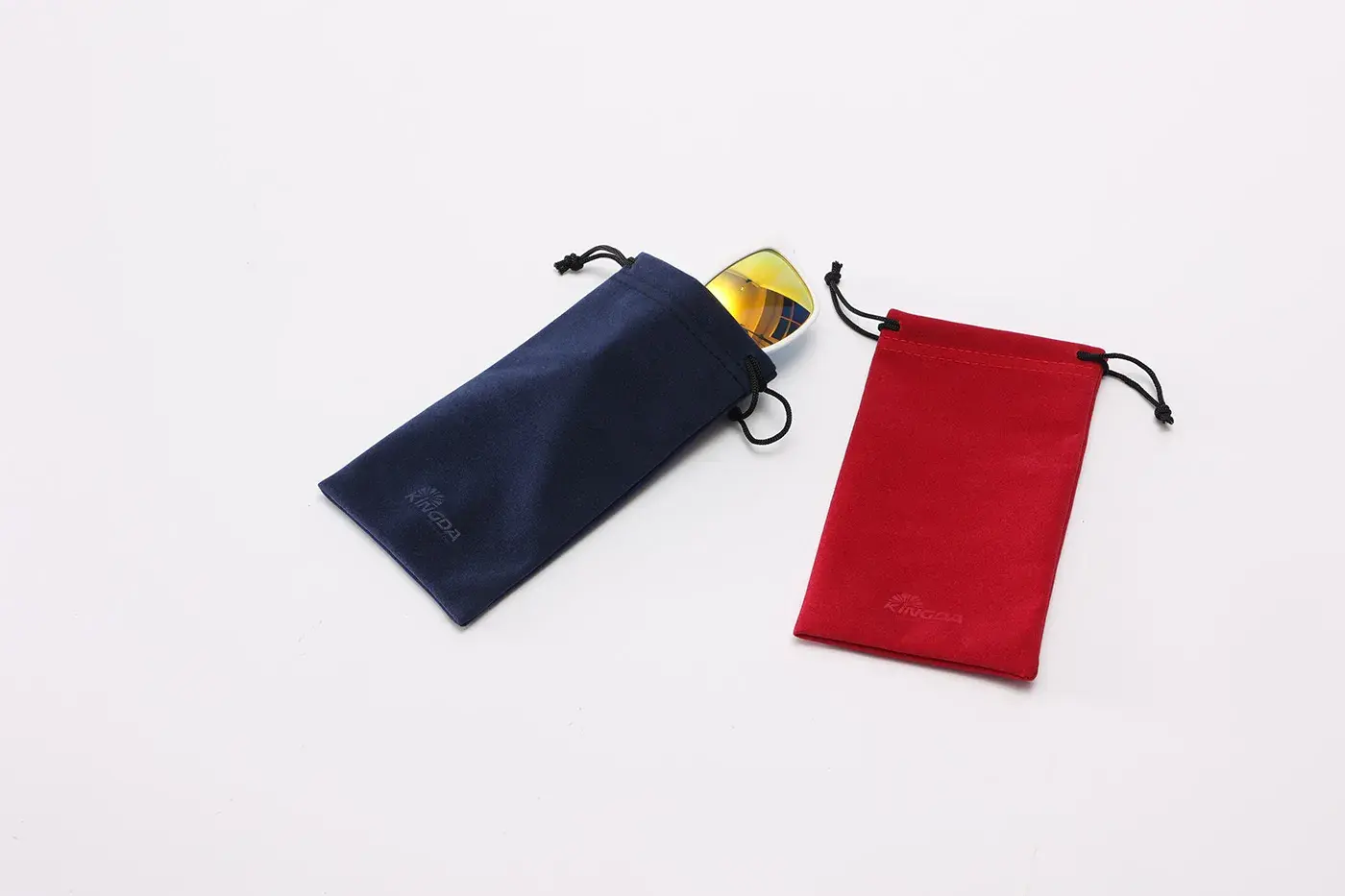
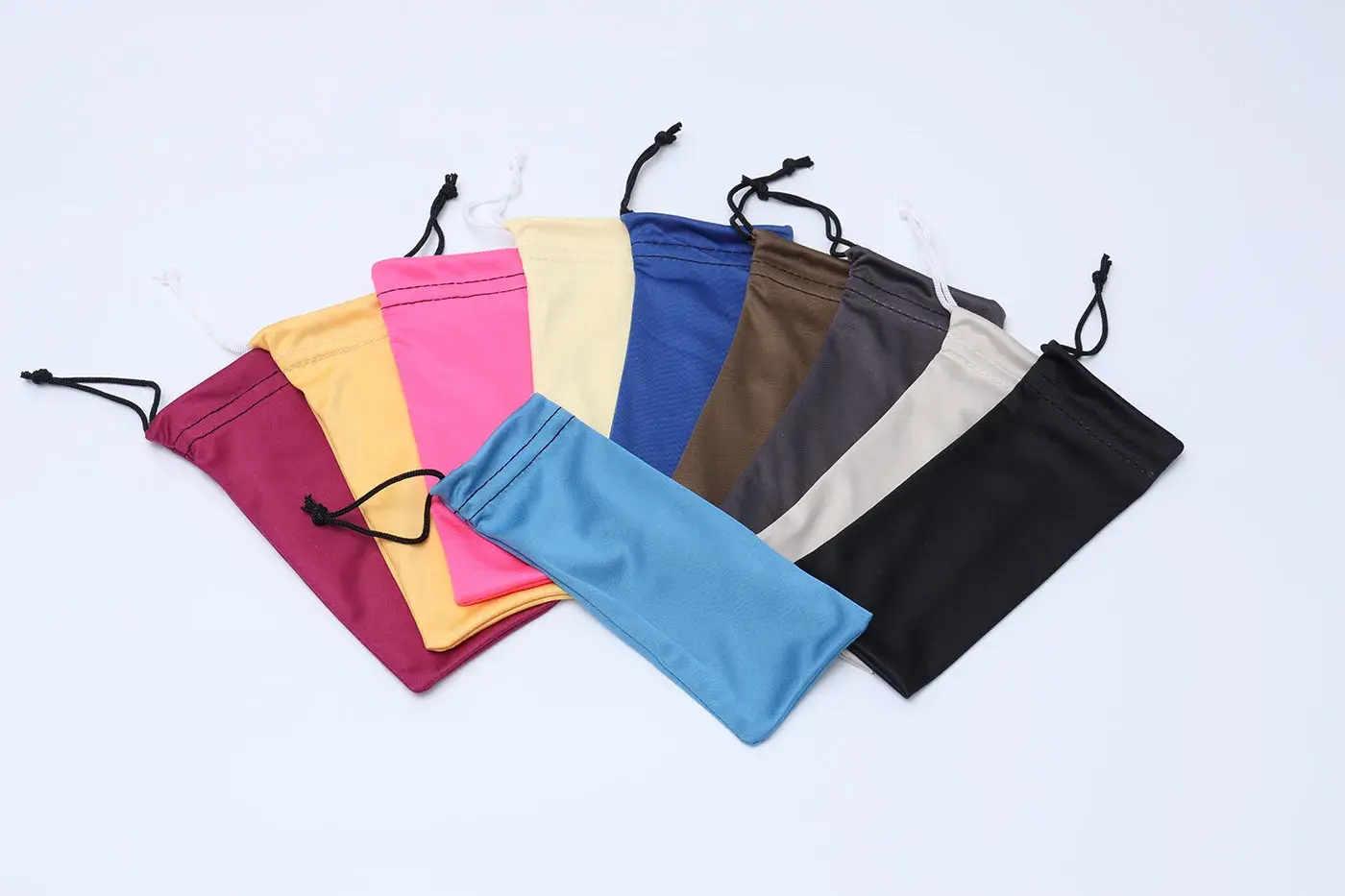
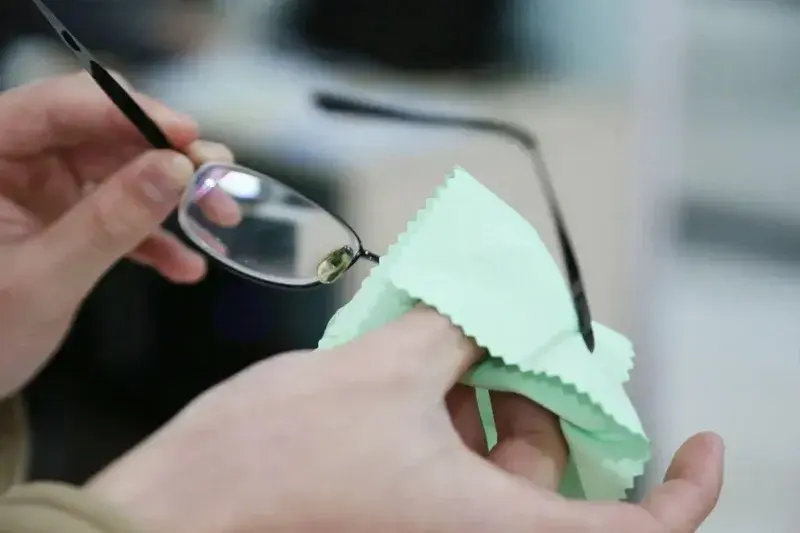
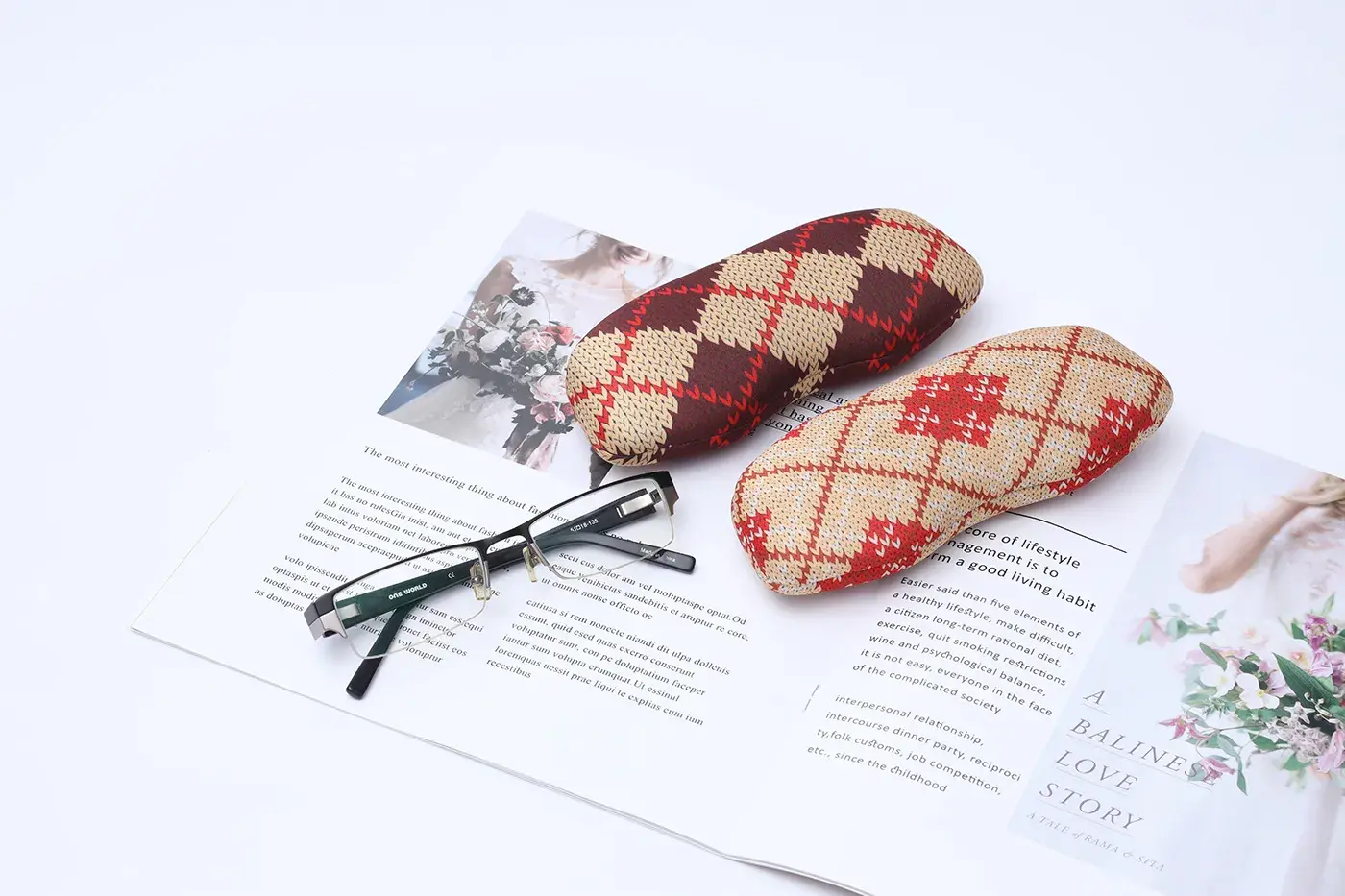
A microfiber pouch and a hard eyeglass case are not interchangeable versions of the same product. They solve different storage problems. A pouch is soft, light and easy to print; a case gives the frame a more structured enclosure. A product page from 3M describes hard-shell protective eyewear cases as a way to protect lenses and temples, while a zipper case with a soft interior helps prevent lens scratching. That is a useful reminder to separate the shell function from the lining function.
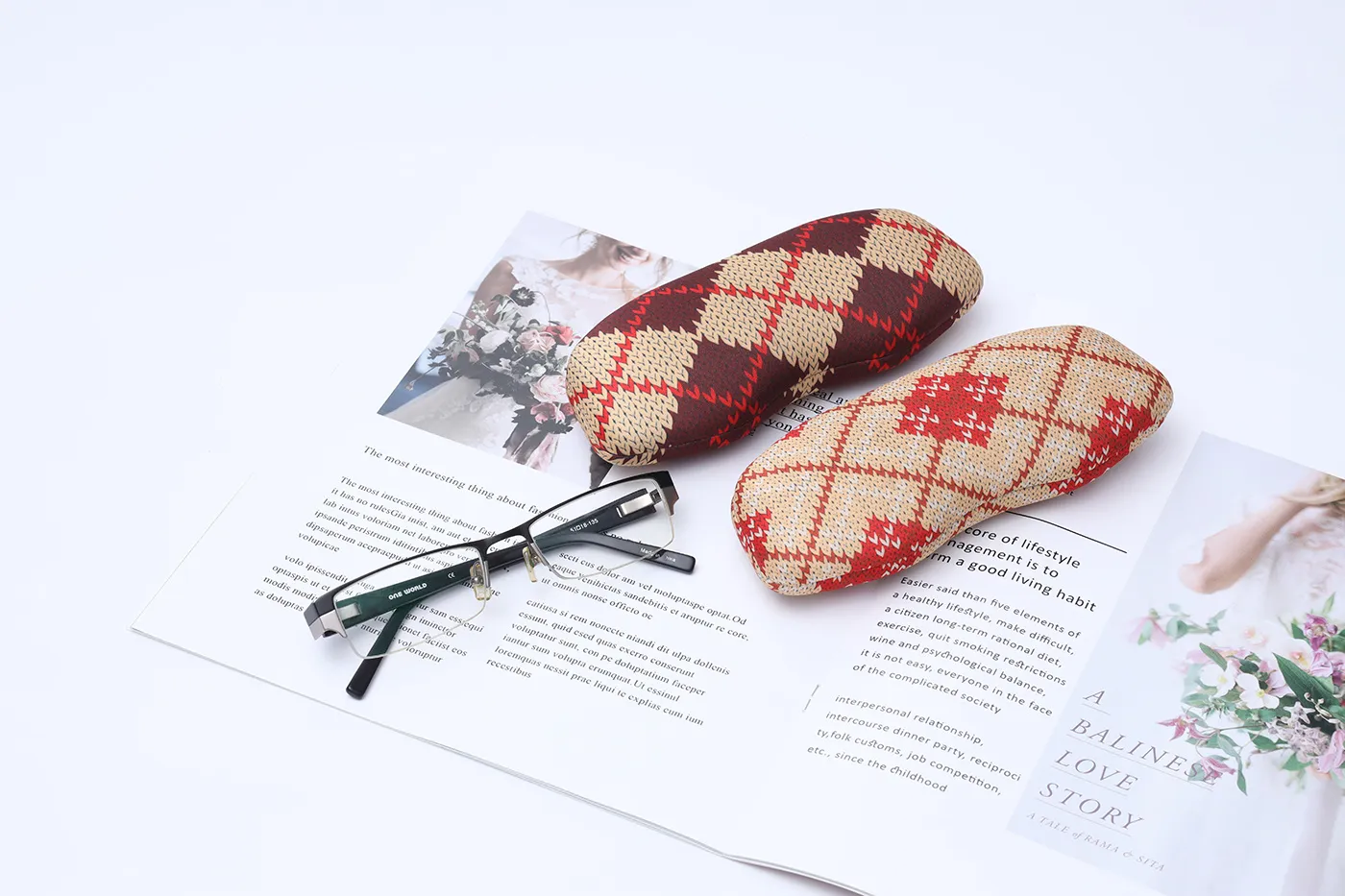
For a pouch, the key questions are fit, opening, surface, logo area and how the accessory will be carried. For a case, add shell construction, closure, interior clearance, hinge or zipper, lining and whether the shape is standard or developed around a frame. Current eyewear packaging suppliers such as TOPYOU Packaging organize custom case and pouch programs around these same material, fit and branding decisions.
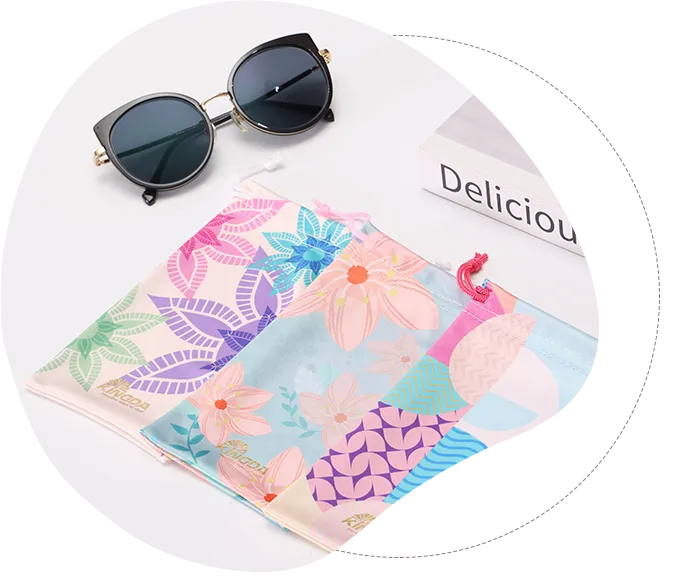
Match the format to the brand channel
| Buyer priority | Microfiber pouch | Hard / semi-hard case |
|---|---|---|
| Portability | Very light and compressible | More structured and takes more space |
| Soft lens contact | Microfiber surface can provide soft contact | Needs a soft lining or a separate cloth to protect surfaces |
| Protection brief | Best for dust, light contact and everyday carry | Better starting point when the brief calls for a structured enclosure |
| Branding area | Large textile surface for print, foil or emboss | Exterior cover, plate, deboss, print or hardware can carry the brand |
| Retail moment | Simple, useful and cost-conscious accessory | More formal opening and presentation experience |
| Best program fit | Promotional, optical-store, travel or lightweight accessory | Premium retail, shipping, gift or higher-structure program |
These are directional choices, not promises about impact resistance or scratch performance. The frame, lens, case lining and closure still need to be tested together. A soft pouch may be the right everyday accessory and the wrong choice for a parcel that can be compressed; a hard case may be protective but too bulky for a minimalist retail kit.
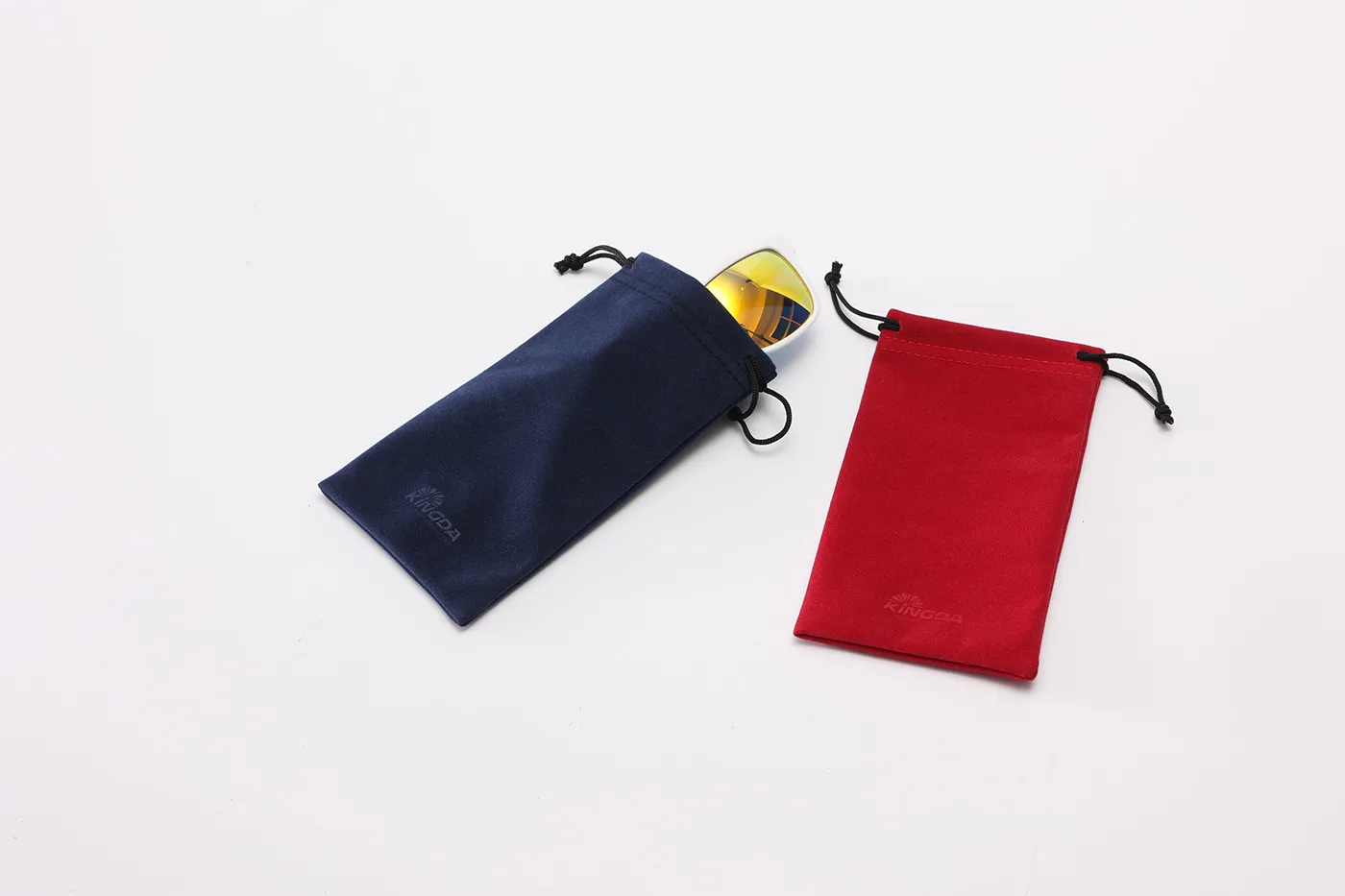
Fit, sampling and packaging tests
Fit is the first quality gate for both formats. Send the actual frame, a dimensional drawing or the measurements of the largest frame in the collection. Check lens height, temple clearance, opening width, internal lining and whether the accessory closes without forcing the frame. For a hard case, also test hinge or zipper movement, closure alignment and any pressure points. For a pouch, check drawstring travel, seam strength and whether the opening stays secure during normal handling.
Sample the complete retail unit where possible: pouch or case, cloth, insert, sleeve and carton. This catches problems that a standalone sample misses, such as a pouch that does not sit neatly inside the case or a barcode label that covers the logo. The pouch category and case category show Kingda’s current constructions; use them as starting points for a brief, not as a substitute for a frame-specific approval sample.
A simple decision framework for your brand
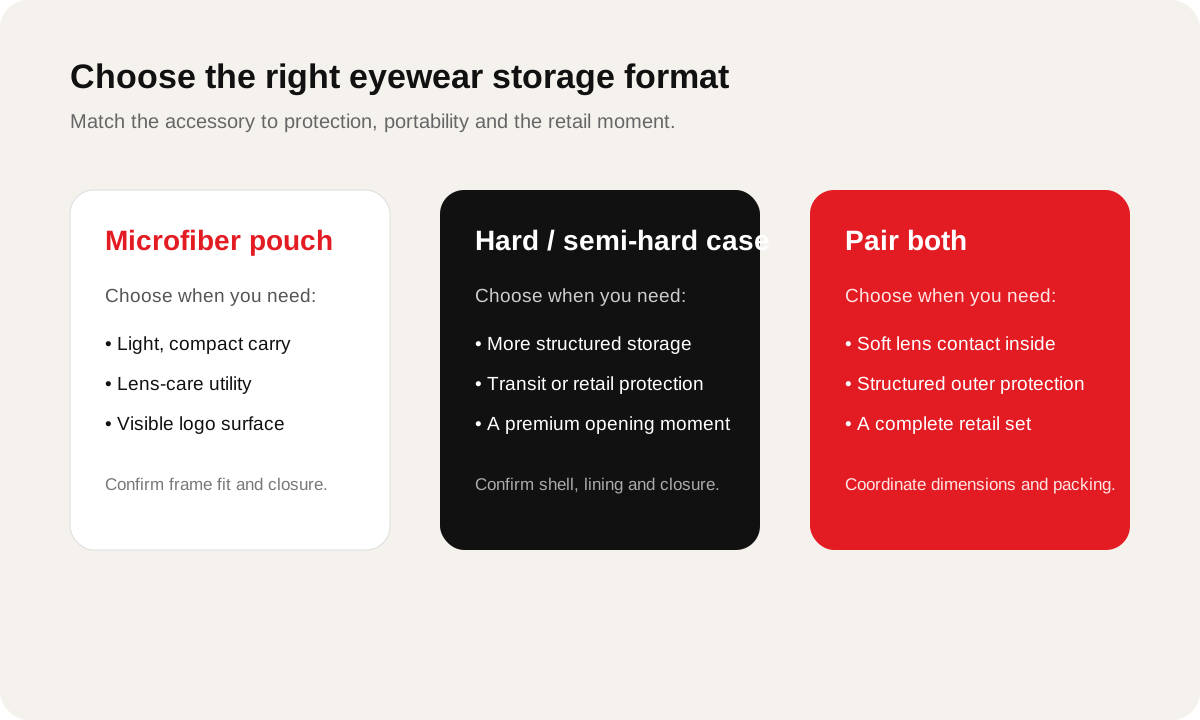
- Start with the channel: promotional and travel programs often value light carry; premium retail and shipping programs may value structure.
- Choose the protection level: decide whether you need soft storage, structured storage, or both in one set.
- Choose the brand surface: compare textile print/foil/emboss with case exterior, hardware or plate options.
- Approve the fit: test the largest and most delicate frame before locking the pattern or mould.
- Approve the pack: confirm case, pouch, cloth, insert and carton as one retail-ready specification.
For a pouch-led program, continue with the custom eyeglass pouch sourcing guide. For a hard-case quotation, review Kingda’s custom eyeglass case example and then send the frame and packaging brief. The best eyewear accessory supplier will tell you where a standard option works and where a sample or new construction is needed.