Crystal lenses are silicon-dioxide (SiO₂) crystals. They offer several advantages: extreme hardness, wear resistance, low moisture absorption, fog-resistance and a small thermal expansion coefficient. But they come with real trade-offs that make direct wiping risky.
Why direct wiping is problematic
- Brittle — crystal is hard but brittle; a tiny grit particle caught in a cloth can chip the edge.
- Poor UV blocking — natural crystal transmits more UV than modern polymer lenses, which is bad for long-term eye health.
- Density variation — natural crystal can be unevenly dense, causing birefringence (double vision) if impurities are present.
- Cost — genuine crystal is expensive and increasingly rare in modern eyewear.
Correct care for crystal & mineral glass lenses
- Rinse thoroughly before any contact with a cloth.
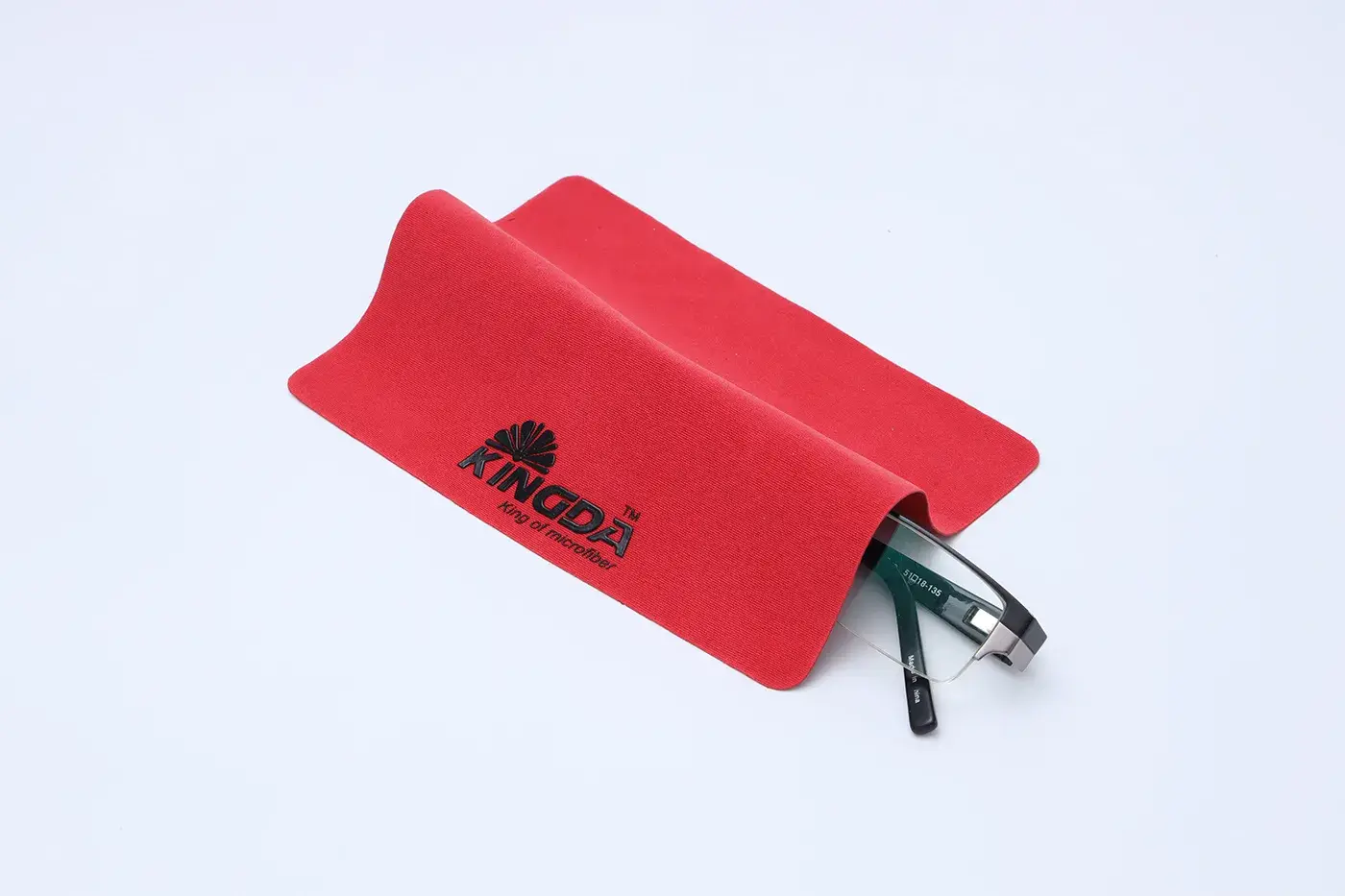
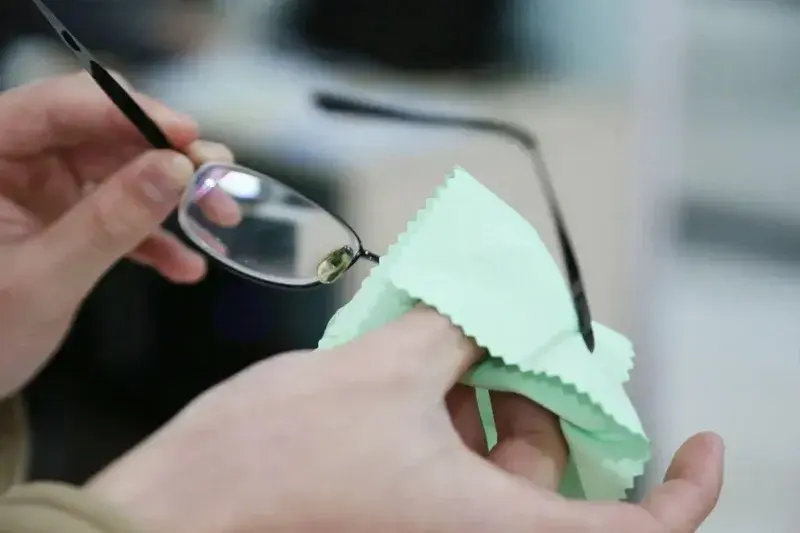
- Use only a soft, clean microfiber or chamois cloth.
- Wipe gently in a single direction — avoid circular pressure on the edges.
- Store in a rigid case with a soft lining; crystal shatters on impact.
Modern AR-coated polymer lenses have largely replaced crystal for everyday eyewear, but if you wear vintage or specialty crystal lenses, treat them with extra care — they're harder than coated plastic but far less forgiving of impact.