
Start with the frame fit and sales channel
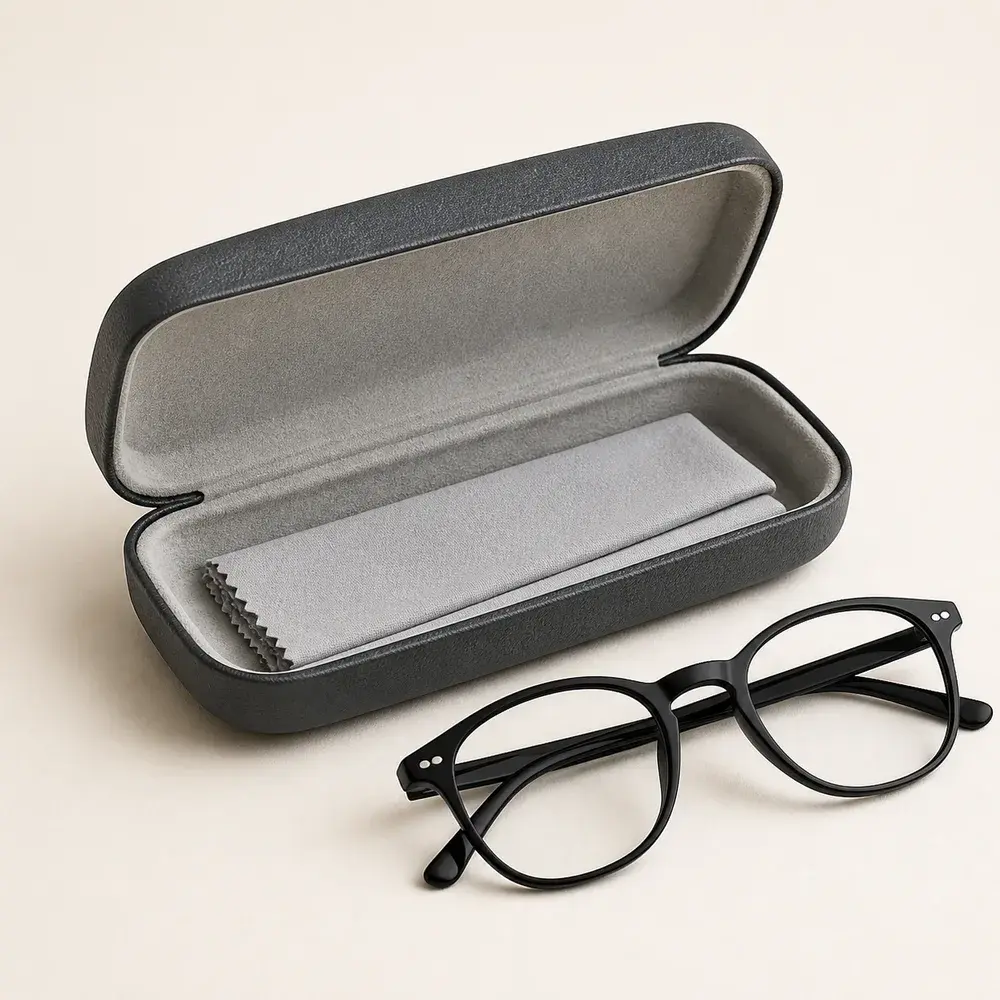
Cover disclosure: the article cover is an AI-generated illustrative product scene. It is not a Kingda product photograph, factory image, test result or construction promise.
Evidence note: "Independent industry guidance" below explains general sourcing and approval practices. "Kingda-specific evidence" is limited to the linked Kingda catalog pages and real product photographs; it does not establish unlisted materials or performance.
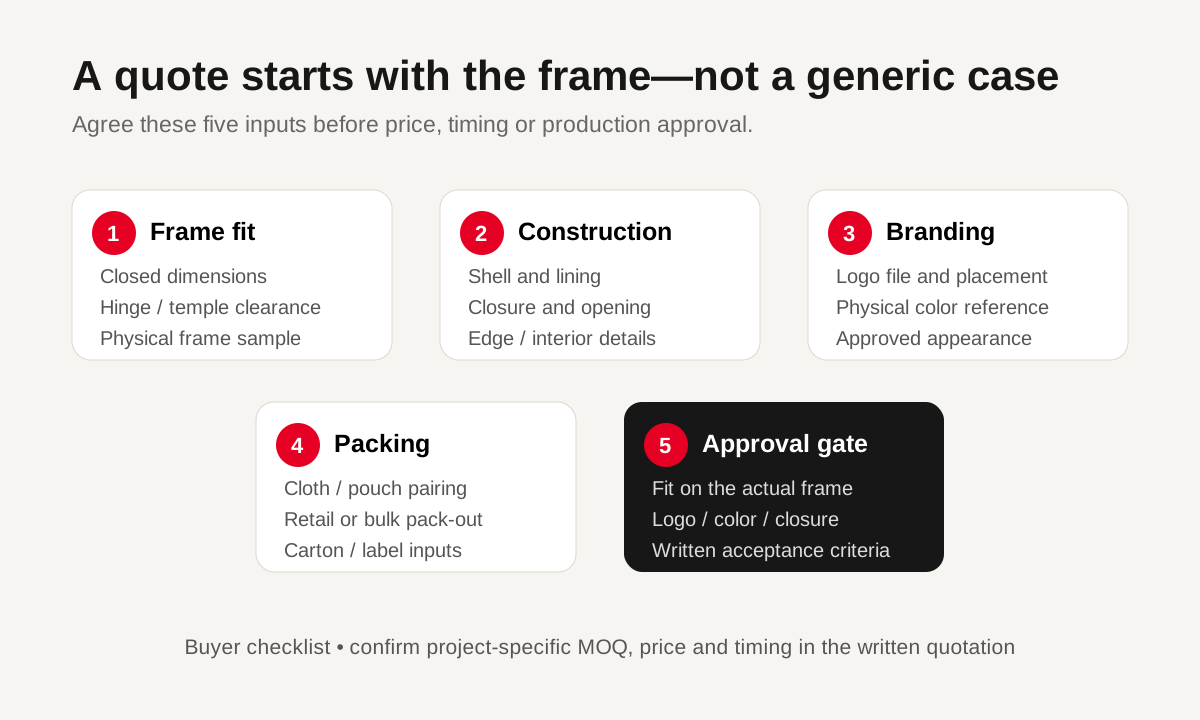
A useful case brief begins with the eyewear it must hold. Send the closed frame dimensions—or preferably a representative physical frame—and identify unusual hinge, temple or lens geometry. Then explain whether the case is for an optical retail counter, an e-commerce shipment, a promotional program or a coordinated presentation set. Those inputs affect the appropriate opening, interior clearance, branding area and pack-out.
This is why B2B search results that promise a "custom case" without asking about fit are incomplete. A current manufacturer-selection guide from WIKA Packing is one independent SERP example that groups construction, fit, branding and sampling. We use that only as search-intent evidence—not as a source of Kingda MOQ, timing or capability. The right approval question is not simply "hard or soft?" but "does the approved construction fit the actual frame and channel?"
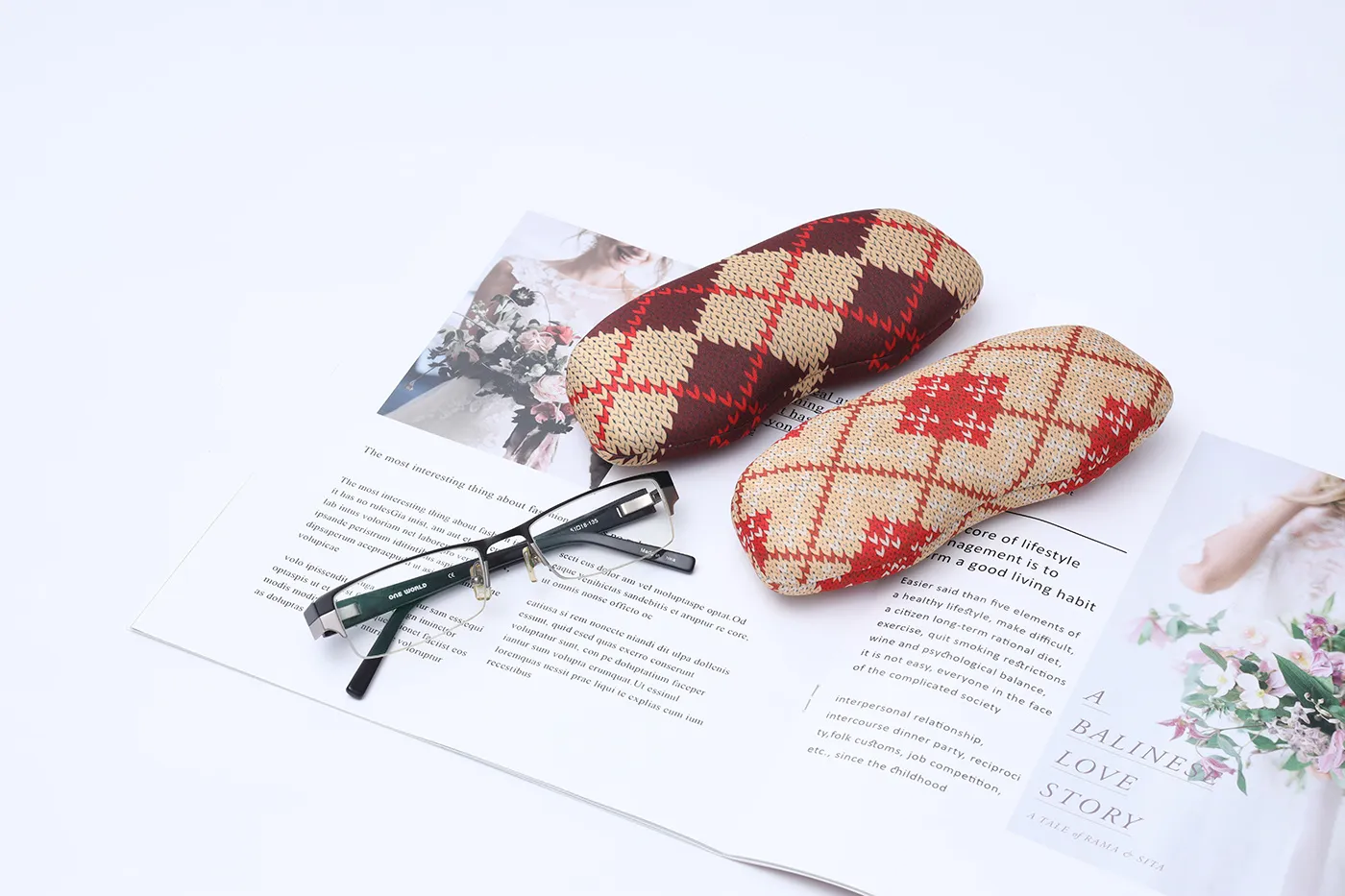
Kingda's case category and custom eyeglass case page show the current catalog format. Product photography is Kingda-owned evidence of that pictured format; it is not an impact-test result or a promise that every possible frame will fit.
Specify construction and materials as a system
Record the outer format, surface material, interior lining, opening direction, closure and edge details separately. A current 3M protective-case product page, for example, distinguishes a hard shell from a soft interior. That is useful independent evidence that shell and lining perform different roles, but its product claims cannot be transferred to a Kingda case.
For a Kingda quotation, use the pictured case page as the starting reference and ask which construction can be sampled for your frame. If your requirement includes impact, compression, abrasion or coating-compatibility performance, state the test method and acceptance criterion in the brief. Without named test evidence, describe the physical construction rather than turning words such as "hard" or "soft-lined" into a quantified protection claim.
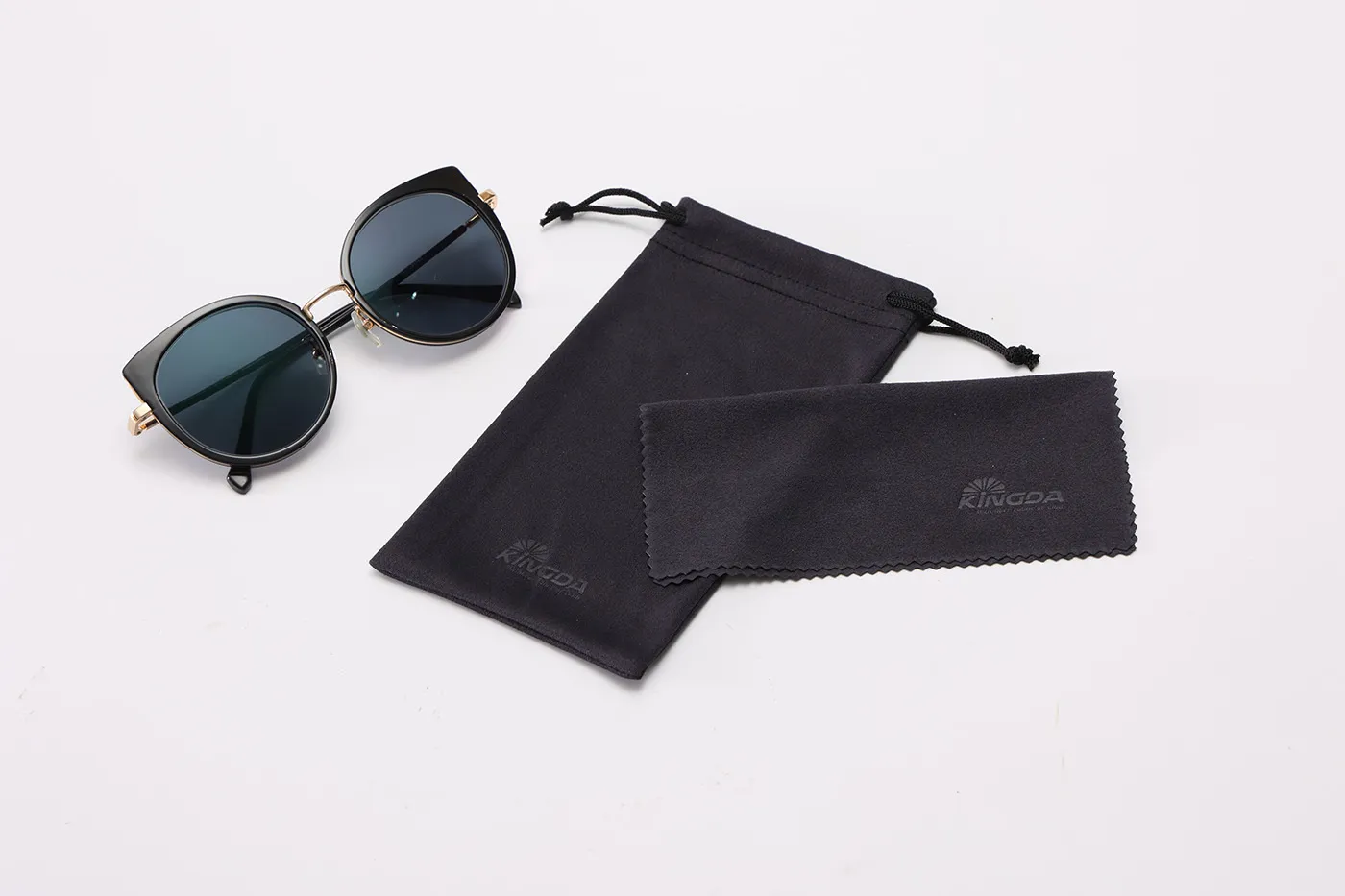
If the case will ship with a cloth, pouch or other component, review the wider eyewear packaging category. The earlier guide to microfiber pouches versus hard eyeglass cases helps choose the format; this article focuses on qualifying and briefing the case manufacturer.
Approve the logo and color on the final construction
Provide vector artwork, intended logo size, placement, orientation and any keep-clear area. Confirm whether the branding is applied to the outer surface, lining, accessory cloth or packaging. A screen mock-up is useful for direction, but it does not show how texture, curvature, seams or the selected process will affect the physical result.
Pantone's guidance on physical color samples explains why displayed and manufactured colors differ. Give the supplier an agreed physical reference and define how color will be judged on the actual substrate. Do not assume an electronic value alone is a universal production tolerance.
Use a written sample and wholesale checklist
- Product: frame sample or closed dimensions, intended user and sales channel.
- Construction: shell, covering, lining, closure, opening and interior-clearance requirements.
- Branding: artwork file, size, placement, color reference and approval view.
- Packing: included cloth or pouch, individual packing, labels, carton information and destination.
- Acceptance: fit check, appearance, function, approved sample ownership and permitted production variation.
- Commercial brief: required quantity, delivery destination and target date so the supplier can quote the exact program.
No universal MOQ, unit price or lead time is stated here because construction, branding, packing and quantity change the production route. Ask for those terms in the written quotation and reconfirm them after the sample is approved.
Request an eyeglass-case quotation with the frame reference, artwork, packing requirement, quantity and destination. Kingda can then respond against the defined project rather than a generic case description.